Choosing the right kitchen knife can change the way you cook forever. When it comes to top-quality blades, Wusthof and Miyabi are names you’ve probably heard.
But which one is truly the best fit for your kitchen? You want a knife that feels just right in your hand, stays sharp, and makes every cut smooth and precise. You’ll discover the key differences between Wusthof and Miyabi knives.
By the end, you’ll know exactly which brand matches your cooking style and needs. Keep reading to find out which knife will become your new favorite tool.
Brand Origins
Understanding the origins of Wusthof and Miyabi helps appreciate their knives better. Both brands have rich histories rooted in craftsmanship and quality. Their backgrounds reveal why each offers unique features and styles. This section explores the history of these two famous knife makers.
History Of Wusthof
Wusthof is a German brand founded in 1814. It started as a small knife workshop in Solingen. Known as the “City of Blades,” Solingen is famous for steel and cutlery. Wusthof knives combine tradition with modern technology. The brand focuses on durable, sharp, and balanced knives. Wusthof remains family-owned, passing skills through generations.
History Of Miyabi
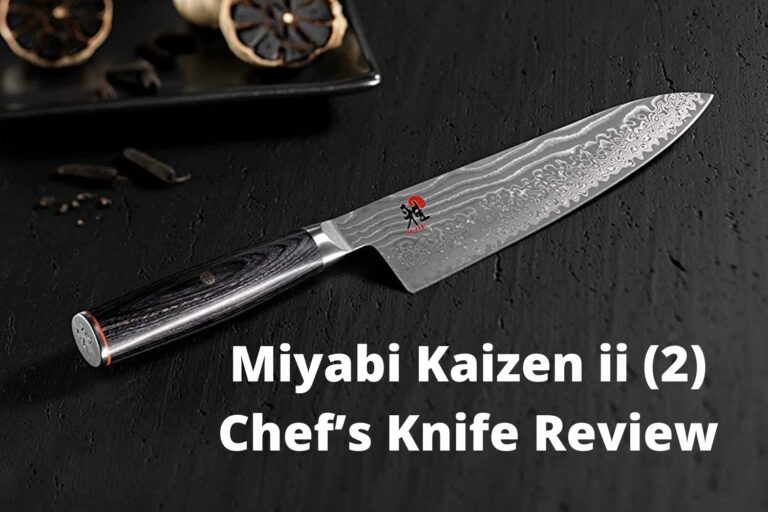
Miyabi is a Japanese brand owned by Zwilling J.A. Henckels. It was created in 2001 to bring Japanese craftsmanship to the world. Miyabi knives blend traditional Japanese techniques with German precision. The brand uses special steel and hand-finishing methods. Miyabi knives are known for their beauty and sharpness. They honor centuries-old samurai sword making traditions.

Credit: www.youtube.com
Blade Materials
Blade materials affect how a knife cuts and lasts over time. Both Wusthof and Miyabi use high-quality steel. Their choices in steel impact sharpness, edge retention, and rust resistance. Understanding these differences helps pick the right knife for your kitchen.
Steel quality also affects how easy a knife is to sharpen. Let’s explore the steel types and hardness each brand uses.
Steel Types Used
Wusthof blades use high-carbon stainless steel. This steel blends carbon for sharpness and chromium to resist rust. It is strong and holds a good edge during daily use.
Miyabi knives use Japanese steel, often SG2 or VG10. These steels have more carbon and special elements. They create very sharp edges and last longer between sharpenings. The steel also gives Miyabi a beautiful polished look.
Blade Hardness Comparison
Wusthof blades usually score around 58 on the Rockwell hardness scale. This makes them tough and easier to sharpen at home. They balance sharpness with durability well.
Miyabi knives are harder, often around 60 to 62 Rockwell. This means they keep an edge longer but need careful sharpening. The harder steel makes the blade more brittle but very precise for fine cutting tasks.
Design And Craftsmanship
Design and craftsmanship define the quality of a knife. Both Wusthof and Miyabi focus on precision and beauty. Their knives reflect strong traditions and advanced techniques. Each brand creates tools that chefs and home cooks trust. The design balances function with style. Craftsmanship ensures durability and sharpness.
Blade Shape And Edge
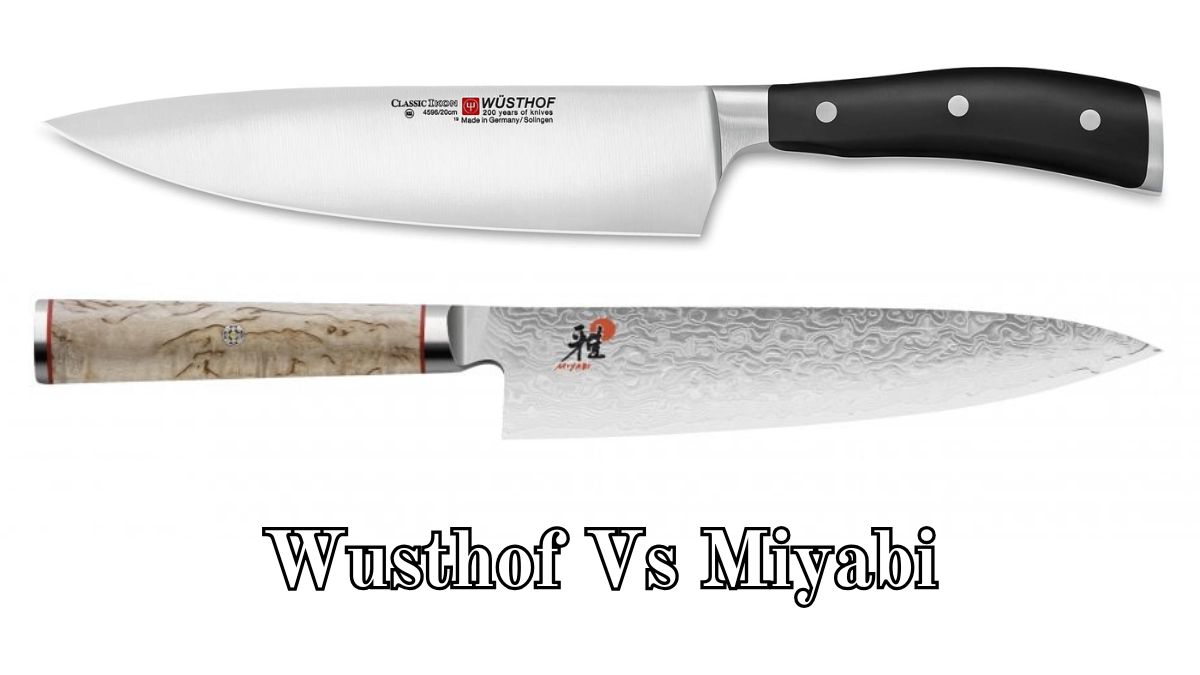
Wusthof knives have a classic, slightly curved blade. This shape suits chopping and slicing with ease. The edges come finely sharpened and hold well. Miyabi blades show Japanese influence with a thinner, more pointed tip. Their edges are sharper and crafted for delicate cuts. Miyabi uses special steel for long-lasting sharpness. Wusthof uses high-carbon steel for strength and toughness.
Handle Materials And Ergonomics
Wusthof handles are often made from durable synthetic materials. They offer a comfortable, secure grip for long use. Handles are balanced to reduce hand fatigue. Miyabi uses traditional wood and modern materials. Their handles blend beauty with comfort. Ergonomics focus on fitting naturally in the hand. Both brands design handles to prevent slipping during work.
Performance In The Kitchen
Performance in the kitchen depends on many factors. The right knife helps you work faster and safer. Wusthof and Miyabi knives are popular choices. Each offers unique benefits. Let’s explore how they perform in cutting and maintenance.
Cutting Precision
Wusthof knives have sharp, sturdy blades. They slice through vegetables and meat smoothly. Their blades hold an edge well for everyday use. Miyabi knives are crafted with very thin, razor-sharp edges. These blades allow for ultra-fine slicing and detailed work. Miyabi edges may require more care to stay sharp. Both brands provide excellent control and accuracy.
Durability And Maintenance
Wusthof knives are made from high-carbon stainless steel. This makes them tough and resistant to rust. They need regular sharpening but can handle heavy tasks. Miyabi knives use advanced steel and special coatings. These protect against stains and corrosion. They are lighter but need careful cleaning and gentle sharpening. Both knives last long with proper care.
Price And Value
Price and value are important when choosing a kitchen knife. Both Wusthof and Miyabi offer quality knives, but their prices and benefits differ. Understanding these differences helps you decide which brand fits your budget and needs.
Cost Comparison
Wusthof knives usually cost less than Miyabi knives. Wusthof offers many options under $150. Miyabi knives often start above $150 and can go much higher. Miyabi uses special materials and craftsmanship, which raises the price. Wusthof focuses on durability and everyday use. Both brands provide good value, but the choice depends on your budget.
Warranty And Customer Support
Wusthof offers a limited lifetime warranty. It covers defects in material and workmanship. Customer support is easy to reach and helpful. Miyabi also has a limited lifetime warranty, covering similar issues. Their customer service is known for being friendly and responsive. Both brands stand behind their knives, giving buyers confidence.
User Experience
User experience is key when choosing between Wusthof and Miyabi knives. Both brands offer quality, but users feel their differences in handling and comfort. The feel of the knife in hand, balance, and ease of cutting matter most.
Below, we explore feedback from professional chefs and home cooks. Their insights help understand how these knives perform in real kitchens.
Professional Chef Reviews
Chefs praise Wusthof for its sturdy build and balanced weight. It feels reliable during heavy chopping tasks. The handle fits well in the hand, reducing fatigue over long use. Sharpness stays longer, cutting through meat and vegetables smoothly.
Miyabi knives get high marks for sharpness and precision. The blades slice with ease, perfect for delicate tasks. Chefs enjoy the lightweight design, which allows quick, controlled cuts. The beautiful finish also adds a touch of elegance to the kitchen.
Home Cook Feedback
Home cooks find Wusthof knives easy to control. The solid grip makes cutting feel safe and confident. Many note it works well for daily kitchen tasks without tiring the hand. It suits users who want durability and straightforward performance.
Miyabi knives impress home cooks with their sharp edges and fine detail work. Users mention the knife feels light and nimble. It is ideal for slicing fruits, vegetables, and fine chopping. The stylish look also makes cooking more enjoyable.
Which One Suits You
Choosing between Wusthof and Miyabi depends on your needs and kitchen style. Both brands offer quality knives but serve different users. Understanding their strengths helps you pick the right one.
Best For Professionals
Wusthof knives suit chefs who need durability and balance. Their blades hold sharpness for a long time. The handles provide a strong grip for fast cutting. These knives handle heavy tasks easily. They fit well in busy kitchens where speed matters.
Miyabi knives appeal to chefs who value precision and design. Their blades are very sharp and thin. This helps in delicate slicing and fine work. The beautiful craftsmanship adds style to the kitchen. They work well for detailed cooking tasks.
Best For Home Use
Wusthof knives are great for home cooks wanting reliability. They are easy to maintain and tough. Perfect for everyday chopping and slicing. Their sturdy design suits various kitchen tasks.
Miyabi knives attract home users who enjoy elegant tools. They offer smooth cuts and a sharp edge. Ideal for those who cook often and want precision. The knives also add a touch of luxury to the kitchen.

Credit: www.kitchenknifeguru.com

Frequently Asked Questions
What Are The Main Differences Between Wusthof And Miyabi Knives?
Wusthof knives are known for their durability and classic German design. Miyabi offers Japanese craftsmanship with sharper, thinner blades. Wusthof suits heavy-duty tasks, while Miyabi excels in precision slicing and delicate cuts.
Which Brand Offers Better Edge Retention, Wusthof Or Miyabi?
Miyabi knives typically have superior edge retention due to harder steel and advanced sharpening techniques. Wusthof blades are durable but may require more frequent sharpening over time.
Are Wusthof Or Miyabi Knives Easier To Sharpen?
Wusthof knives are generally easier to sharpen because of their softer steel. Miyabi knives, made from harder steel, maintain sharpness longer but need specialized sharpening tools.
Which Knives Are Better For Professional Chefs, Wusthof Or Miyabi?
Professional chefs often prefer Wusthof for its robust build and reliability. Miyabi appeals to chefs needing precision and fine slicing with lightweight, razor-sharp blades.
Conclusion
Both Wusthof and Miyabi offer strong options for kitchen knives. Wusthof blades are known for durability and classic design. Miyabi knives stand out with sharp edges and elegant style. Your choice depends on what feels best in your hand. Consider your cooking needs and budget carefully.
Either brand can improve your kitchen experience. Quality and performance matter most for daily use. Choose wisely and enjoy cooking every day.