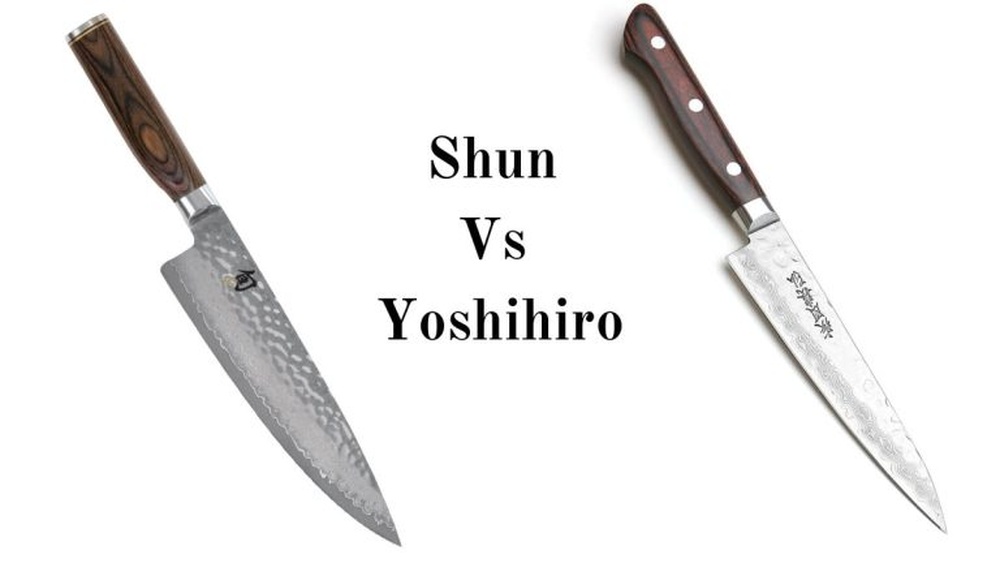
When it comes to choosing the perfect kitchen knife, you want a tool that feels just right in your hand and cuts like a dream. You’ve probably come across two big names: Shun and Yoshihiro.
But which one is truly the best fit for your cooking style and needs? You’ll get a clear, side-by-side look at what makes each brand stand out—and where one might have the edge over the other. By the end, you’ll know exactly which knife deserves a spot in your kitchen.
Ready to make your cut? Let’s dive in.
Brand Histories
Understanding the history behind Shun and Yoshihiro helps explain their knife quality. Both brands carry strong traditions and values. Their stories reveal their dedication to craftsmanship.
Each brand started with a clear goal: to create excellent knives. Their backgrounds shape the way they design and build their products.
Shun’s Legacy
Shun began in Japan in 1908. The brand grew from a small family business. It combines traditional Japanese techniques with modern technology.
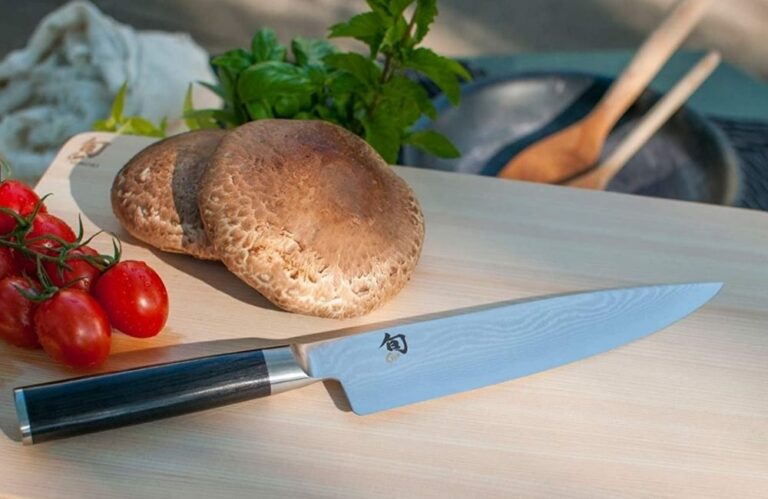
Shun knives are known for sharpness and beauty. The makers use high-quality steel and handcraft each blade. Their style reflects the art of Japanese sword making.
Yoshihiro’s Tradition
Yoshihiro has a long history dating back over 70 years. It focuses on preserving old Japanese knife-making methods. Each knife is carefully forged by skilled artisans.
The brand values durability and precision. It uses layered steel and classic designs. Yoshihiro knives offer a balance of strength and sharpness.

Credit: zerotokyo.jp
Blade Materials
Blade materials play a key role in the quality of a knife. The choice of steel affects sharpness, durability, and overall performance. Shun and Yoshihiro use different steels that appeal to various users. Understanding these differences helps buyers pick the right knife for their needs.
Steel Types Used
Shun knives often use VG-MAX steel. This steel is a high-carbon stainless type. It offers good rust resistance and sharpness. Yoshihiro knives typically use Blue Steel and White Steel. These are traditional Japanese steels known for sharp edges. Blue Steel is harder and holds sharpness longer. White Steel is softer but easier to sharpen.
Durability And Sharpness
Shun blades stay sharp for a long time with less maintenance. The VG-MAX steel is tough and resists corrosion well. Yoshihiro blades require more care due to less rust resistance. They can be sharper but need regular sharpening. Blue Steel blades have excellent edge retention but can chip if misused. White Steel blades sharpen quickly but dull faster than Blue Steel.
Design And Ergonomics
Design and ergonomics play a key role in choosing a kitchen knife. A well-designed knife feels good in the hand and helps you cut with ease. Both Shun and Yoshihiro offer knives that focus on comfort and control.
Handle Comfort
Shun knives have handles made from pakkawood. This material feels smooth and fits well in the hand. The shape is slightly curved, giving a natural grip. It reduces hand fatigue during long use.
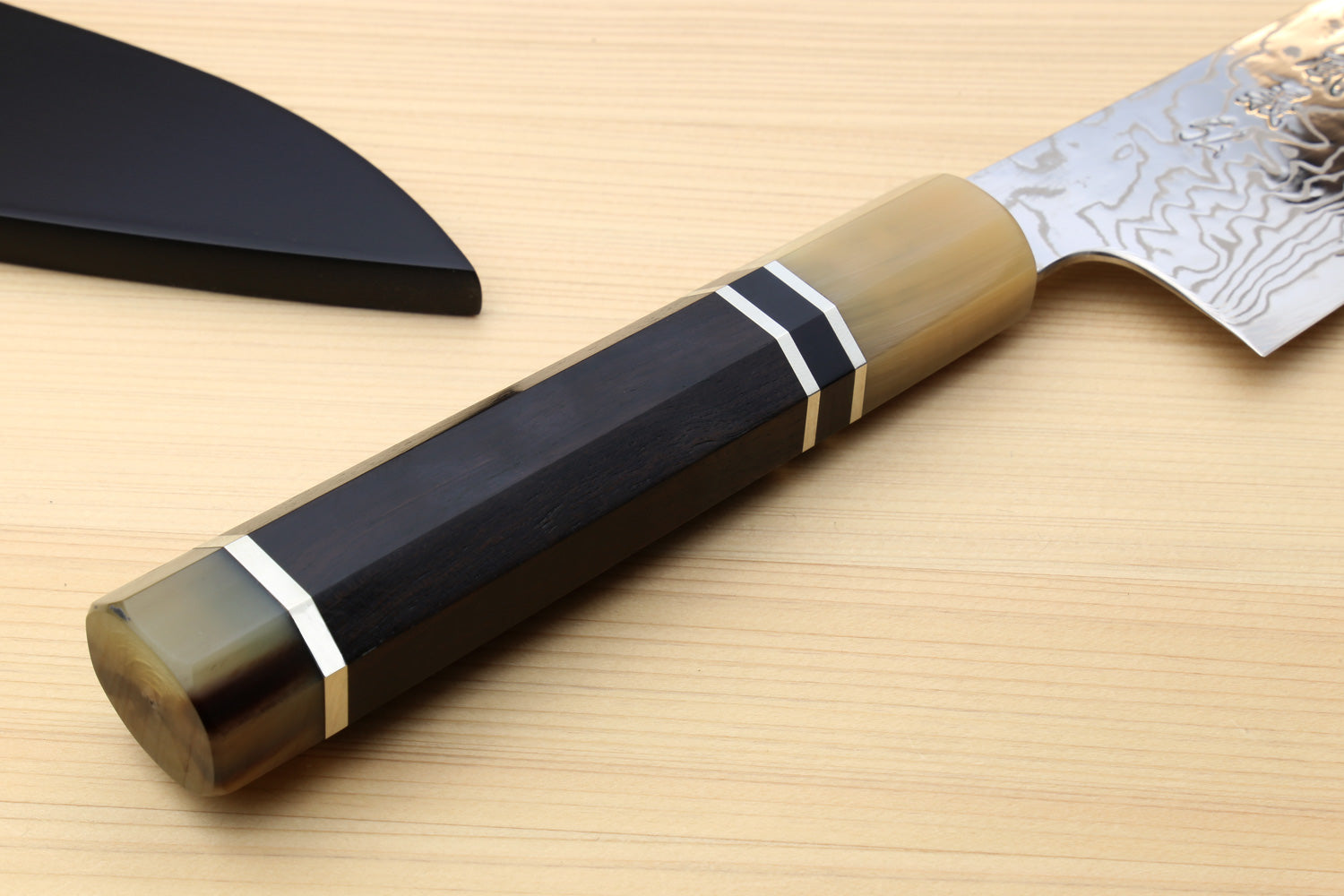
Yoshihiro uses traditional wooden handles, often made from ho wood or magnolia. These handles are lightweight and have a simple round shape. They offer a firm grip but may feel less polished than Shun’s.
Blade Shape And Balance
Shun blades are thin and sharp, with a slight curve toward the tip. This design helps with precise slicing. The balance between blade and handle feels even, giving good control.
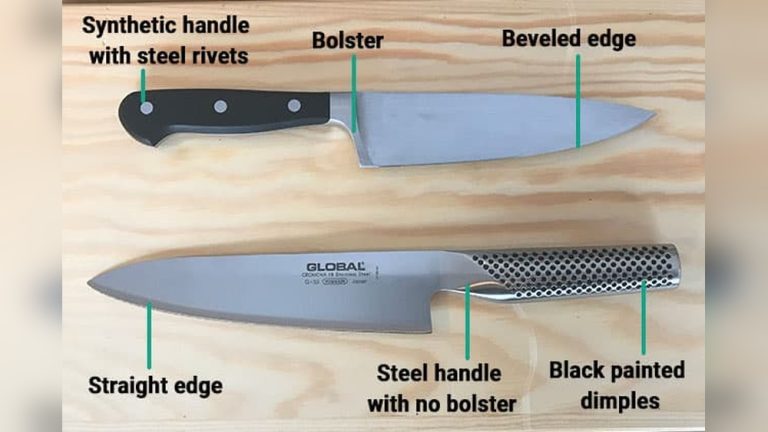
Yoshihiro blades tend to be thicker and more robust. Their shape is more traditional, with a straighter edge. Balance leans slightly toward the blade, which some chefs prefer for heavy chopping.
Credit: www.martinispa.com
Performance In The Kitchen
Performance in the kitchen is key for any chef’s knife. Both Shun and Yoshihiro offer strong options. Each brand has unique features that affect your cooking experience.
Understanding their performance helps you pick the best knife for your needs. Let’s explore cutting precision and maintenance to see how they compare.
Cutting Precision
Shun knives are known for sharp, thin blades. They slice through vegetables and meats with ease. The blade edge stays sharp longer, reducing effort while cutting.
Yoshihiro knives have a slightly thicker blade. They provide solid control for tougher cuts. This makes them good for heavy-duty kitchen tasks.
Both brands offer fine edge quality. Shun suits those who prefer delicate, precise cuts. Yoshihiro fits cooks who need a sturdy, versatile blade.
Maintenance And Care
Shun knives require gentle care to keep their edge. Hand washing and careful storage are important. Avoiding the dishwasher helps preserve the blade’s sharpness.
Yoshihiro knives are also best hand washed. They can handle more frequent use without quick dulling. Regular honing keeps them performing well.
Both knives need proper sharpening tools. Using the right stones maintains their cutting ability. Good care extends the life of any high-quality knife.
Price And Value
Price and value matter a lot when choosing kitchen knives. Both Shun and Yoshihiro offer quality blades. Yet, their prices and what you get differ. Understanding these differences helps you pick the best knife for your needs.
Cost Comparison
Shun knives usually cost more than Yoshihiro. Shun focuses on modern design and sharpness. Yoshihiro offers traditional craftsmanship at a lower price. You pay more for Shun’s brand name and style. Yoshihiro gives good value for less money.
Long-term Investment
Both brands last long with proper care. Shun knives keep their sharp edge well. Yoshihiro knives may need sharpening more often. Choosing a knife that fits your budget and use is key. A good knife pays off by lasting years.
User Reviews
User reviews give real insight into how Shun and Yoshihiro knives perform. They reflect daily use by different people. These opinions help buyers decide which knife fits their needs best.
Both brands have strong followings. Users often praise sharpness, balance, and build quality. Yet, preferences vary based on experience and cooking style.
Professional Chefs’ Opinions
Professional chefs often highlight Shun’s sharpness and lightweight feel. Many find Shun knives easy to handle for precise cuts. They appreciate the stylish design and quality steel.
Yoshihiro knives receive respect for their traditional craftsmanship. Chefs mention the durability and strong edge retention. The unique blade shapes suit different Japanese cooking tasks well.
Some chefs prefer Shun for quick slicing and detailed work. Others choose Yoshihiro for heavy-duty chopping and tougher ingredients. Both brands meet professional standards but serve different purposes.
Home Cooks’ Feedback
Home cooks like Shun knives for their ease of use and low maintenance. The ergonomic handles make long prep sessions comfortable. Many note the knives stay sharp after regular use.
Yoshihiro users enjoy the authentic feel and solid weight. They mention the knives handle a variety of foods well. Some find the edge sharper but needing more care to maintain.
Both brands get high marks for customer service and warranty. Home cooks often recommend trying both to find personal comfort and preference. The choice depends on budget, style, and cooking habits.
Best Uses For Each Knife
Choosing the right knife can make cooking easier and more enjoyable. Both Shun and Yoshihiro knives have unique features that suit different kitchen tasks. Understanding the best uses for each helps you pick the perfect tool for your needs.
Ideal Tasks For Shun
Shun knives excel in precision cutting. Their sharp, thin blades work well for slicing vegetables and fruits. These knives handle delicate tasks like filleting fish with ease. They also shine in dicing onions and herbs finely. The lightweight design helps reduce hand fatigue during long prep times.
Ideal Tasks For Yoshihiro
Yoshihiro knives are strong and durable. They perform well with tougher ingredients like meat and root vegetables. These knives are great for chopping and heavy-duty slicing. Their thicker blade offers more control for cutting through bones or thick cuts. Ideal for chefs who need a robust, reliable knife daily.

Credit: knifevibe.com
Frequently Asked Questions
What Are The Main Differences Between Shun And Yoshihiro Knives?
Shun knives are known for elegant design and sharpness. Yoshihiro knives emphasize traditional craftsmanship and durability. Shun often uses VG-MAX steel, while Yoshihiro uses high-carbon steel. Both brands offer quality, but Shun suits modern kitchens, and Yoshihiro appeals to traditional knife users.
Which Knife Brand Is Better For Professional Chefs?
Shun is favored by many professional chefs for its sharpness and ergonomic handles. Yoshihiro is preferred for its robustness and authentic Japanese style. The choice depends on the chef’s preference for aesthetics or traditional performance. Both brands deliver excellent results in professional kitchens.
Are Shun Knives More Expensive Than Yoshihiro Knives?
Generally, Shun knives are priced higher due to premium materials and modern design. Yoshihiro knives tend to be more affordable while maintaining high quality. Pricing varies by model and steel type. Both brands offer value for their price range.
How Do Shun And Yoshihiro Knives Differ In Blade Materials?
Shun blades use VG-MAX steel, combining sharpness and corrosion resistance. Yoshihiro blades typically use traditional high-carbon steel, offering durability and ease of sharpening. Material choice affects maintenance and blade performance. Shun is low maintenance; Yoshihiro requires careful care.
Conclusion
Choosing between Shun and Yoshihiro depends on your needs. Both brands offer quality knives with unique features. Shun knives are known for sharpness and elegance. Yoshihiro knives focus on traditional craftsmanship and durability. Consider your cooking style and budget before deciding.
Either choice will improve your kitchen experience. Take your time and pick what feels right. Good knives make cooking easier and more fun.