Are you confused about which knife to choose for your kitchen tasks? When it comes to handling meat, the right knife can make all the difference.
Breaking knives and boning knives may look similar, but they serve very different purposes. Knowing which one fits your needs can save you time, effort, and frustration. You’ll discover the key differences between breaking knives and boning knives, so you can pick the perfect tool for your cooking style.
Keep reading to make your kitchen work smoother and more efficient!
Blade Design Differences
The blade design of breaking knives and boning knives serves distinct purposes. Each has unique features that help with specific tasks in the kitchen. Understanding these differences can help you choose the right knife for your needs.
Shape And Flexibility
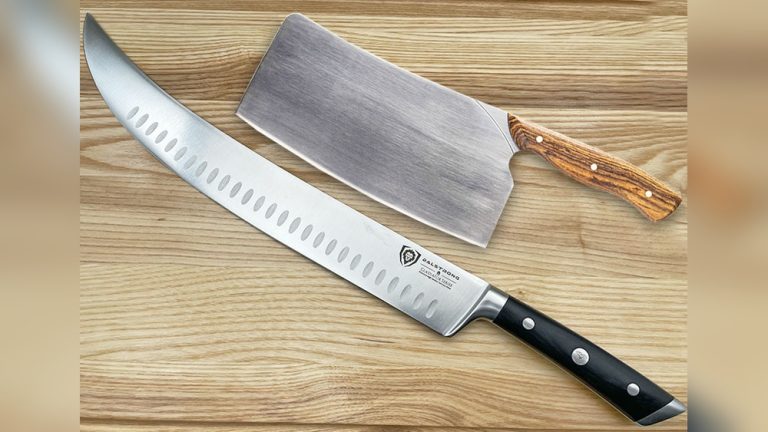
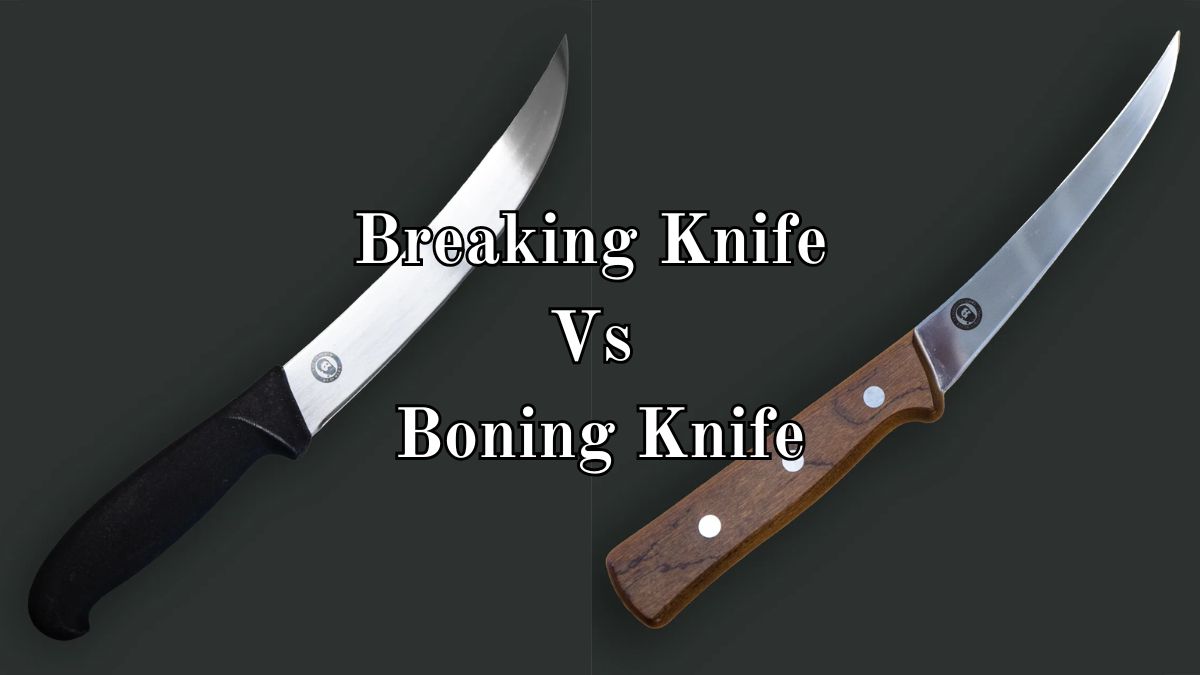
Breaking knives have a curved blade. This shape helps cut through large pieces of meat and joints. The blade is stiff and strong to handle tough cuts.
Boning knives have a narrow and pointed blade. They are more flexible than breaking knives. This flexibility helps remove bones and skin with precision.
Blade Thickness And Length
Breaking knives are thicker and heavier. Their length is usually longer to cut through thick meat easily. The thick blade adds strength for heavy-duty tasks.
Boning knives have thinner blades. They are shorter to provide better control. The thin blade allows for detailed work around bones and cartilage.

Primary Uses
Primary uses highlight the main jobs each knife handles best. Knowing these uses helps pick the right knife for your kitchen tasks. Breaking knives and boning knives serve different roles. Each fits specific cutting needs.
Tasks For Breaking Knives
Breaking knives cut through large meat pieces and joints. They handle tough sections like ribs and bones. Their strong, curved blade moves easily around bones. These knives help separate meat cleanly from the carcass. They also trim fat and cartilage. Breaking knives work well on beef, pork, and lamb.
Tasks For Boning Knives
Boning knives remove bones from meat, poultry, and fish. Their thin, flexible blade moves close to bones. This precision helps keep the meat intact. Boning knives trim fat and skin too. They are perfect for delicate tasks that need control. Chefs use them to prepare fillets and clean cuts.
Choosing The Right Knife For Meat
Choosing the right knife for meat makes a big difference in the kitchen. Each knife has a special job. Picking the right one helps save time and effort. It also keeps the meat looking good and cuts cleanly. Two common knives for meat are the breaking knife and the boning knife. Understanding their uses helps decide which one fits your needs.
Cutting Through Joints
The breaking knife is perfect for cutting through joints. It has a strong, wide blade. This blade can handle tough parts like bones and cartilage. The knife’s weight and shape give power to each cut. It works well on large pieces of meat. The breaking knife lets you separate big cuts with less force. It keeps the cuts neat and smooth.
Trimming Meat And Removing Bones
The boning knife is best for trimming meat and removing bones. It has a thin, flexible blade. This blade moves easily around bones and joints. The sharp point helps make precise cuts. It is ideal for cutting close to bones without wasting meat. The boning knife helps clean up meat for cooking or presentation. It also works well for delicate tasks like skinning.
Material And Durability
Material and durability play a big role in choosing the right knife. Both breaking knives and boning knives must be strong and last long. The materials used affect how well these knives perform. Understanding the blade steel and handle materials helps you pick the best knife for your needs.
Blade Steel Types
Blade steel affects sharpness, strength, and rust resistance. Breaking knives often use high-carbon stainless steel. This steel is tough and holds an edge well. Boning knives may use stainless steel or high-carbon steel. Stainless steel resists rust better. High-carbon steel sharpens easily but can rust faster. A strong blade steel helps the knife stay sharp longer. It also prevents chips and breaks during use.
Handle Materials And Grip
Handle material affects comfort and control. Many breaking knives have handles made from durable plastic or rubber. These materials provide a firm grip, even when wet. Boning knives often use wood or synthetic handles. Wood feels natural but needs care to avoid damage. Synthetic handles resist water and are easy to clean. A good grip reduces hand fatigue and improves precision. Durability in the handle ensures the knife lasts through heavy use.
Maintenance And Sharpening
Maintaining and sharpening your breaking knife and boning knife keeps them effective and safe. Proper care helps the blades last longer and perform better. Both knives need regular attention but differ slightly in their maintenance needs.
Keeping the edge sharp makes cutting easier. Dull knives can slip and cause accidents. Cleaning the knives after each use prevents rust and damage.
Best Sharpening Techniques
Use a whetstone for the best sharpening results. Soak the stone in water for about 10 minutes first. Hold the knife at a 20-degree angle to the stone. Move the blade in a smooth, circular motion. Sharpen both sides evenly to keep the edge balanced.
For quick touch-ups, a ceramic rod works well. Run the blade gently along the rod at the same angle. Avoid electric sharpeners as they can remove too much metal fast.
Storage Tips For Longevity
Store knives in a wooden block or magnetic strip. This stops the edges from dulling or getting damaged. Avoid keeping knives loose in drawers where they can bump into other utensils.
Dry knives completely before storage. Moisture can cause rust spots and weaken the blade. Use blade guards if carrying knives outside the kitchen.
Price And Value
Price and value play a big role when choosing between a breaking knife and a boning knife. Both knives serve different purposes and come at various price points. Knowing what fits your budget and needs saves money and boosts kitchen efficiency. Understanding the cost differences helps you decide which knife offers the best value for your tasks.
Budget Options
Budget breaking knives and boning knives often cost under $30. They suit home cooks or beginners who use knives occasionally. These knives usually have stainless steel blades and plastic handles. They may not last as long but work well for light tasks. Choosing budget options means you get decent performance without spending much.
Professional Grade Knives
Professional grade knives cost $50 and up. They have sharper, stronger blades made from high-quality steel. Handles are comfortable and built for long use. Chefs and serious cooks prefer these knives for precision and durability. Investing in professional knives means better cutting experience and longer knife life.
Safety Considerations
Safety is key when using breaking knives or boning knives. Both knives have sharp blades designed for specific tasks. Handling them carefully reduces risks of accidents and injuries. Understanding safety helps you work confidently and protect your hands.
Proper Handling Techniques
Hold the knife firmly with a secure grip. Keep your fingers away from the blade edge. Always cut away from your body and hands. Use a stable cutting surface to avoid slips. Store knives safely in a knife block or sheath. Regularly sharpen knives to ensure clean cuts and less force.
Common Injuries And Prevention
Cuts and punctures are common with both knives. These happen from slips or improper use. To prevent injuries, focus on steady movements. Avoid distractions while cutting meat or bones. Wear cut-resistant gloves if possible. Clean knives carefully, avoiding direct contact with the blade. Proper care and attention reduce injury risks greatly.
:max_bytes(150000):strip_icc()/boning-knife-review-ashlee-redger-horizontal-lead-d055af1fe46d4687b1a79bb7b388f3de.jpg)
Credit: www.seriouseats.com
Frequently Asked Questions
What Is The Main Difference Between Breaking And Boning Knives?
Breaking knives are designed for cutting through large meat sections, while boning knives are specialized for removing bones from meat and fish with precision.
Which Knife Is Better For Meat Preparation Tasks?
Use a breaking knife for heavy-duty meat cutting and a boning knife for detailed bone removal and trimming tasks.
Can A Boning Knife Replace A Breaking Knife?
No, a boning knife lacks the strength and blade size needed for breaking down large meat pieces efficiently.
Are Breaking Knives Suitable For Home Kitchens?
Yes, breaking knives can be used at home but are ideal for butchers or serious meat preparation.
Conclusion
Choosing between a breaking knife and a boning knife depends on your needs. Breaking knives work well for cutting through large meat pieces. Boning knives excel at removing bones and trimming meat. Both knives have unique shapes to help with specific tasks.
Knowing their differences helps you pick the right tool. Use the knife that fits your cooking style best. This will make meat preparation easier and faster. Remember, the right knife improves your kitchen experience. Simple tools, better results.