When it comes to kitchen knives, choosing the right one can make your cooking faster and easier. You might have heard about peeling knives and paring knives but wonder which one you really need.
What if using the wrong knife is slowing you down or making your prep work frustrating? You’ll discover the key differences between peeling and paring knives. By the end, you’ll know exactly which knife fits your cooking style—and why it matters for every meal you create.
Keep reading to sharpen your skills and make your time in the kitchen more enjoyable.
Peeling Knife Features
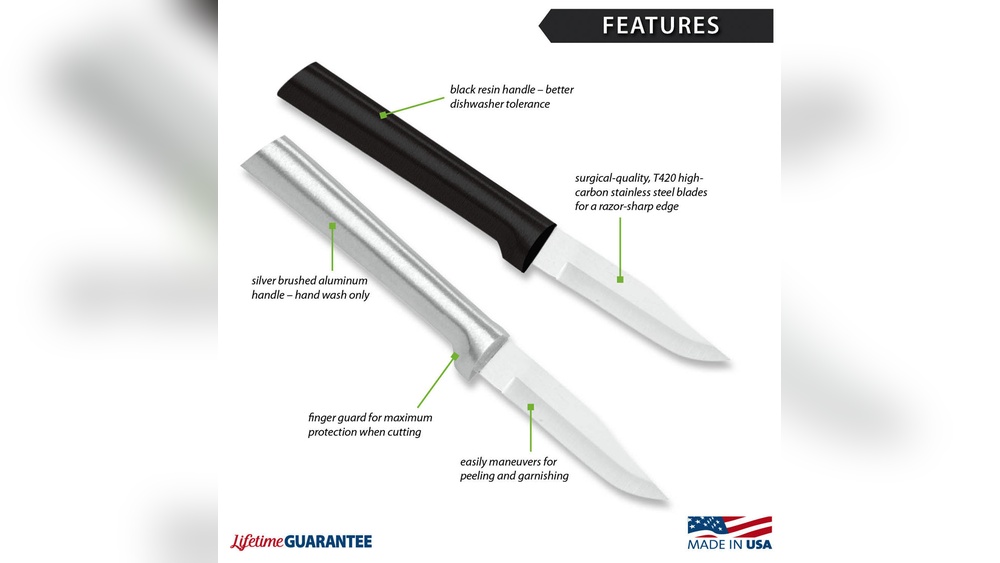
The peeling knife is a small, precise tool made for detailed kitchen tasks. It has unique features that make peeling fruits and vegetables easier and faster. Understanding these features helps choose the right knife for your kitchen needs.
Blade Shape And Size
The blade of a peeling knife is short and curved. This shape allows for better control when removing skin. The blade is usually 2 to 4 inches long. Its sharp edge helps cut thin layers without wasting food.
Handle Design
Peeling knives have small, comfortable handles. They fit well in the hand for easy grip. Many handles are made of wood, plastic, or rubber. A good handle prevents slipping and reduces hand fatigue.
Common Uses
Peeling knives are ideal for peeling fruits like apples and pears. They also work well for trimming small vegetables. The knife is perfect for making decorative cuts and removing blemishes.

Credit: products.radacutlery.com
Paring Knife Features
The paring knife is a small, versatile tool in the kitchen. Its design helps with detailed tasks that require precision and control. Understanding its features can help you choose the right knife for your needs.
Blade Shape And Size
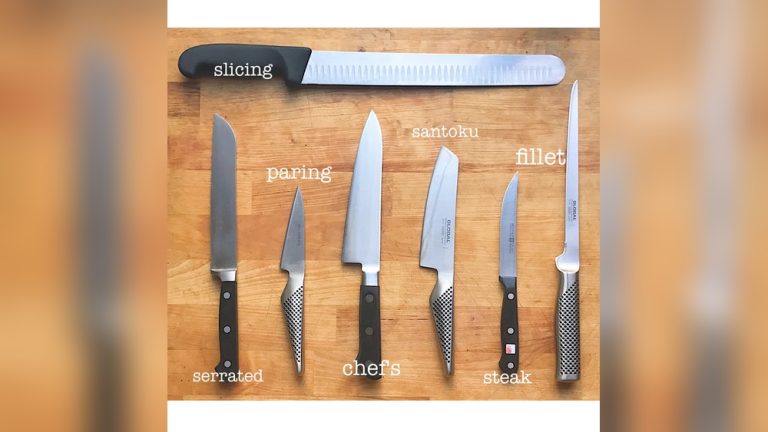
The blade of a paring knife is usually 2 to 4 inches long. It has a sharp, pointed tip that helps in cutting tight spaces. The blade is narrow and tapers to a fine edge. This shape makes it perfect for peeling, trimming, and slicing small fruits and vegetables.
Handle Design
Paring knife handles are made for comfort and control. They are small and easy to hold with a firm grip. Many handles have a slight curve to fit the fingers better. This design reduces hand fatigue during detailed work. The handle material can vary from wood to plastic or composite.
Common Uses
Paring knives are best for tasks that need precision. Peeling fruits like apples and pears is common. Cutting small vegetables, removing seeds, and trimming fat are also typical uses. The knife is ideal for shaping and decorating food. Its small size allows for easy handling and accuracy.
Material And Build Quality
Material and build quality define the performance of peeling and paring knives. These knives differ in blade and handle materials. Their durability depends on these factors. Understanding these elements helps choose the best knife for kitchen tasks.
Blade Materials
Peeling and paring knives usually have steel or ceramic blades. Stainless steel resists rust and holds sharp edges well. High-carbon steel blades stay sharper longer but may need more care. Ceramic blades are very sharp and light. They do not rust but can chip easily. Blade material affects cutting precision and maintenance needs.
Handle Materials
Knife handles come in wood, plastic, or composite materials. Wooden handles feel warm and provide a good grip. Plastic handles are lightweight and easy to clean. Composite handles combine wood and plastic for strength and comfort. Handle design impacts comfort and safety during use.
Durability Factors
Durability depends on blade sharpness, handle strength, and overall construction. Full tang knives, with blades extending into the handle, last longer. Proper blade thickness helps resist bending or breaking. Quality materials and good build prevent quick wear. Durable knives save money and improve cooking experience.

Credit: www.echefknife.com
Cutting Techniques
Cutting techniques vary depending on the knife used. Both peeling and paring knives have unique styles. Each tool offers control and precision in different ways. Understanding these methods helps improve your kitchen skills. It also ensures safety and efficiency while cutting.
Peeling Knife Methods
Peeling knives are small with a curved blade. They work best for removing skins from fruits and vegetables. Hold the knife firmly and use a gentle pulling motion. Move the blade close to the item’s surface. This helps to remove thin layers without wasting food.
Try using short, smooth strokes. This keeps the peel thin and even. The curved blade fits well around round shapes. It allows easy handling of apples, potatoes, and similar produce. The knife’s shape also helps in making small, detailed cuts.
Paring Knife Methods
Paring knives have a straight, pointed blade. They are great for precise cuts and trimming tasks. Hold the knife like a pencil for better control. Use a forward and downward motion to slice small pieces.
This knife works well for cutting away seeds and stems. It also peels skins, but requires more skill than peeling knives. Paring knives are useful for intricate work, like making decorative cuts. They offer sharpness and accuracy for fine kitchen tasks.
Choosing The Right Knife
Choosing the right knife is important for your kitchen tasks. Different knives serve different purposes. Picking the correct one makes cooking easier and safer. It also helps you get better results with less effort.
Task-specific Recommendations
Peeling knives are small with curved blades. They work well for peeling fruits and vegetables. Paring knives have straight blades and are good for detailed work. Use paring knives to trim, slice, or cut small items. Choose a knife based on the job you need to do.
Comfort And Control
Hold the knife before buying. The handle should fit well in your hand. A comfortable grip reduces hand fatigue. Control is key for safety and precision. Choose a knife that feels balanced and easy to move.
Budget Considerations
Knives come in many price ranges. Higher price often means better materials and sharper blades. However, affordable knives can still work well for beginners. Set a budget and find the best quality within it. Good knives last longer and perform better.
Maintenance Tips
Maintaining your peeling and paring knives is key to keeping them sharp and safe. Proper care extends the life of these tools and improves cutting performance. Follow simple steps to keep your knives in top shape.
Sharpening Techniques
Use a sharpening stone or a knife sharpener for best results. Hold the knife at a 15 to 20-degree angle against the stone. Slide the blade gently across the stone in one direction. Repeat on both sides until the edge feels sharp. Avoid using a dull knife; it can be dangerous and hard to use.
Cleaning And Storage
Wash knives by hand with warm, soapy water immediately after use. Avoid putting them in the dishwasher to prevent damage. Dry knives thoroughly to stop rust and stains. Store knives in a block, magnetic strip, or protective sheath. Keep blades separate to avoid nicks and dulling.

Credit: medicine.missouri.edu
Frequently Asked Questions
What Is The Main Difference Between Peeling And Paring Knives?
Peeling knives have a curved blade for removing skins easily. Paring knives have a straight blade for precise cutting and trimming tasks.
Which Knife Is Better For Peeling Fruits And Vegetables?
A peeling knife is better for peeling because its curved blade follows the contour of fruits or vegetables smoothly.
Can A Paring Knife Replace A Peeling Knife?
Yes, a paring knife can replace a peeling knife but may not be as efficient for curved peeling tasks.
Are Peeling Knives Suitable For Detailed Kitchen Tasks?
Peeling knives are less suitable for detailed tasks; paring knives excel in precision and versatility in the kitchen.
Conclusion
Choosing between a peeling knife and a paring knife depends on your task. Peeling knives work best for removing skins with control. Paring knives handle small cutting and trimming jobs well. Both knives have unique shapes and uses. Keep them sharp for safe and easy cutting.
Use the right knife to save time and effort in the kitchen. Simple tools can make cooking more enjoyable and efficient. Try both to see which fits your style best.