
Choosing the right kitchen knife can change the way you cook forever. When it comes to quality and performance, Shun and Zwilling are two names you’ve probably heard a lot.
But which one is truly the best fit for your kitchen? You’ll discover the real differences between Shun and Zwilling knives, helping you make a smart choice that matches your cooking style and needs. Keep reading—you’re about to find out which brand can sharpen your skills and bring out the chef in you.

Credit: www.reddit.com
Brand Histories
Both Shun and Zwilling are top names in kitchen knives. Their history shapes the quality and style of each blade. Understanding their roots helps to appreciate their craftsmanship.
Shun’s Japanese Roots
Shun knives come from Japan, a country known for sharp blades. The brand began in 1908 in Seki City. This city has made swords and knives for over 700 years. Shun uses traditional Japanese techniques mixed with modern technology. Each knife is hand-finished by skilled artisans. The blades are very sharp and lightweight. Shun values beauty and precision in every knife.
Zwilling’s German Heritage
Zwilling started in 1731 in Solingen, Germany. This city is famous worldwide for knife making. Zwilling means “twin” in German, symbolizing quality and strength. The brand focuses on durability and balance. Zwilling knives are made from high-quality steel. They combine traditional German forging with new methods. The knives feel solid and last a long time. Zwilling represents German engineering and reliability.

Credit: www.reddit.com
Blade Materials
Blade materials play a big role in knife quality and performance. They affect how sharp the knife stays, how easy it is to use, and how long it lasts. Both Shun and Zwilling use special steel types to make strong blades. Understanding their blade materials helps you choose the right knife for your kitchen.
Steel Types And Composition
Shun blades use VG-MAX steel, a high-quality Japanese steel. It has more carbon and chromium than regular steel. This makes the blade hard and resistant to rust. Zwilling uses Friodur stainless steel, which is ice-hardened. This process makes the steel very tough and durable. Both steels have strong metals to keep the blade sharp and safe from damage.
Edge Retention And Sharpness
Shun knives hold a sharp edge for a long time due to their hard steel. The VG-MAX steel allows for a thin, precise edge. Zwilling knives also keep sharpness well because of their special hardening process. They are easy to sharpen and stay sharp through heavy use. Both brands offer good edge retention but differ in how they balance sharpness and toughness.
Handle Design
The handle design plays a key role in knife performance and user experience. It affects grip, control, and safety. Both Shun and Zwilling offer unique handle styles. Each has features that suit different cooking needs and preferences. Understanding these differences helps choose the right knife for your kitchen.
Ergonomics And Comfort
Shun handles are often slim and lightweight. They fit well in smaller hands. The design focuses on balance and ease of use. This reduces hand fatigue during long cooking sessions.
Zwilling handles tend to be thicker and more robust. They offer a firm grip and strong control. This suits users who prefer a solid, steady hold. Zwilling handles feel comfortable for heavy chopping tasks.
Materials And Durability
Shun uses pakkawood for many handles. This wood composite resists moisture and heat. It looks elegant but needs careful cleaning to last.
Zwilling uses synthetic materials like polypropylene. These handles resist stains and damage. They are easy to clean and maintain. Zwilling handles are often dishwasher safe.

Credit: www.reddit.com
Knife Performance
Knife performance is a key factor for chefs and home cooks. It affects how smoothly you cut and how comfortable you feel using the knife. Both Shun and Zwilling offer high-quality knives with different strengths. Understanding their cutting precision and balance helps you choose the right knife.
Cutting Precision
Shun knives have very sharp edges. They use a thinner blade, which makes slicing easier. This helps with detailed work like cutting vegetables finely or filleting fish. Zwilling knives have a thicker blade but stay sharp longer. They are great for tougher tasks, like chopping meat or harder vegetables. Both brands deliver clean cuts, but Shun is better for delicate tasks.
Balance And Weight
Shun knives feel lighter and more balanced towards the handle. This gives more control and less fatigue during long use. Zwilling knives are heavier and feel solid in the hand. Their weight helps with cutting through tough food without extra effort. The choice depends on your strength and cutting style. Lighter for precision, heavier for power.
Maintenance And Care
Proper maintenance and care keep your Shun or Zwilling knives sharp and lasting longer. Both brands use high-quality steel that needs regular attention. Cleaning, sharpening, and storage affect performance and safety. Follow simple steps to keep your knives in top shape.
Sharpening Techniques
Shun knives have a sharper edge angle, around 16 degrees. Use a whetstone for best results. Soak the stone in water for 10 minutes before sharpening. Hold the knife at a consistent angle. Move the blade gently across the stone in a sweeping motion.
Zwilling knives have a wider edge angle, about 20 degrees. You can use a whetstone or a sharpening steel. Pull the blade along the steel several times. Keep the angle steady to avoid damage. Sharpen often but gently to preserve the blade.
Cleaning And Storage
Wash knives by hand with mild soap and warm water. Avoid dishwashers; they dull the blade quickly. Dry knives immediately to prevent rust and stains. Store knives in a wooden block or magnetic strip. Avoid loose storage to protect the edge and prevent accidents.
Price And Value
Price and value matter a lot in choosing kitchen knives. Both Shun and Zwilling offer high-quality knives. Their prices reflect their craftsmanship and materials. Understanding cost and support helps pick the right brand for your needs.
Cost Comparison
Shun knives usually cost more. They use traditional Japanese techniques. Their blades are thin and sharp. Zwilling knives tend to be slightly cheaper. They focus on German style with thicker blades. Both brands offer sets and single knives. The choice depends on your budget and preferences.
Warranty And Customer Support
Zwilling provides a long warranty. It covers defects and blade issues. Their customer service is easy to reach. Shun offers a limited warranty. It covers craftsmanship and materials. Their support is known for being helpful. Both brands stand behind their products. This adds value beyond just the price.
Popular Knife Lines
Popular knife lines from Shun and Zwilling offer diverse options for chefs and home cooks. Each brand has unique styles and features. These collections highlight the best of their craftsmanship and design.
Understanding these lines helps you pick the right knives for your kitchen tasks. Both brands focus on quality and performance, but their approach differs.
Top Shun Collections
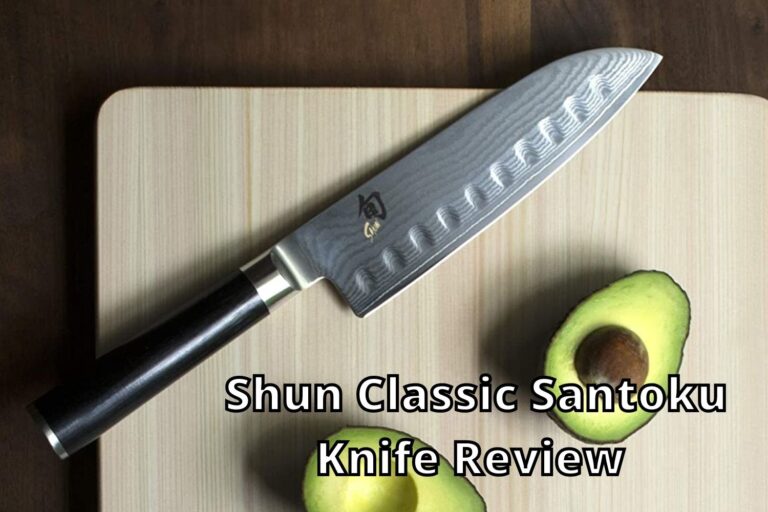
Shun is famous for its Japanese-style knives. The Classic series features beautiful Damascus steel blades. They are sharp and hold an edge well.
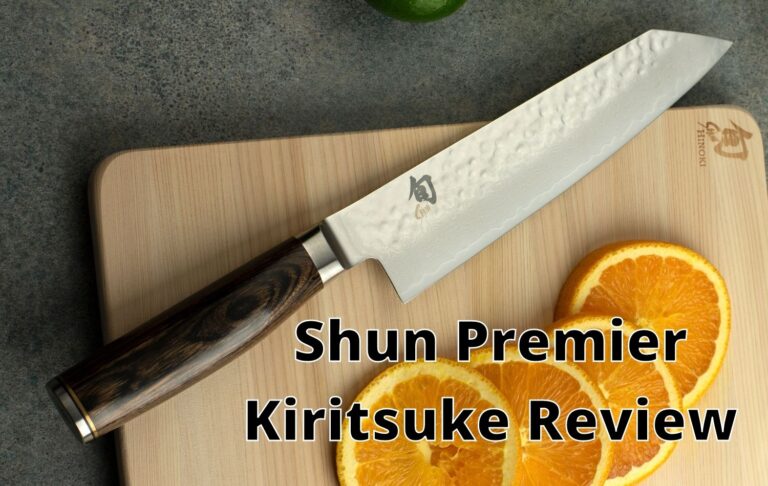
The Premier collection has layered Damascus steel with hammered finishes. These knives reduce food sticking to the blade. Shun’s Kanso line offers simple, elegant designs with strong performance.
Each Shun knife blends tradition with modern technology. The focus is on precision and balance, ideal for fine cutting tasks.
Best Zwilling Series
Zwilling knives show German craftsmanship with sturdy designs. The Pro series is popular for its ice-hardened steel blades. These knives are durable and easy to sharpen.
The Four Star collection offers ergonomic handles and balanced weight. Zwilling’s Twin Signature line combines classic looks with modern features. These knives suit everyday kitchen use well.
Zwilling focuses on strength and comfort. Their knives handle tough cutting tasks with ease and last long.
User Feedback
User feedback reveals real experiences with Shun and Zwilling knives. It shows how these brands perform in daily use. Reviews from home chefs and professionals highlight strengths and weaknesses. This feedback helps buyers decide which knife suits their needs best.
Home Chef Reviews
Home chefs praise Shun knives for their sharpness and light weight. Many say the knives cut smoothly through vegetables and meat. Some mention the handles feel comfortable during long cooking sessions.
Zwilling knives get good marks for durability and balance. Users note these knives stay sharp for a long time. A few find the Zwilling knives a bit heavier but steady in hand.
Professional Opinions
Professional chefs appreciate Shun’s precision and elegant design. They often use Shun knives for delicate tasks like slicing fish. Some pros warn the blades need careful maintenance to avoid chipping.
Zwilling knives earn respect from chefs for toughness and reliability. Many professionals use them for heavy-duty chopping and dicing. They say Zwilling knives handle kitchen wear and tear well.
Choosing The Right Knife
Choosing the right knife makes cooking easier and more enjoyable. The knife you pick affects how well you cut, chop, and slice. Both Shun and Zwilling offer great knives, but each suits different needs. Consider your cooking style and budget before deciding.
Cooking Style Considerations
Your cooking style shapes the knife you need. Shun knives have a sharp, thin blade. They work well for precise cuts and delicate tasks. Zwilling knives are thicker and heavier. They handle tough jobs like cutting meat or hard vegetables. Think about the foods you prepare most. Choose a knife that fits those tasks comfortably.
Budget And Preferences
Price plays a big role in choosing a knife. Shun knives often cost more due to their craftsmanship and design. Zwilling offers knives in a wider price range. This makes them easier to afford. Also, consider how the knife feels in your hand. Comfort and grip matter for safe cutting. Try holding both brands if possible. Pick one that feels right and fits your budget.
Frequently Asked Questions
What Are The Key Differences Between Shun And Zwilling Knives?
Shun knives use Japanese steel for sharpness and precision. Zwilling knives feature German steel, known for durability and strength. Shun focuses on elegant, lightweight designs, while Zwilling offers robust, heavier knives. Both brands excel in quality but cater to different user preferences.
Which Brand Offers Better Knife Durability, Shun Or Zwilling?
Zwilling knives generally provide greater durability due to harder German steel. Shun knives are sharp but may require more care to maintain edges. For heavy-duty kitchen tasks, Zwilling is preferred. Shun suits users valuing sharpness and fine slicing.
Are Shun Knives Sharper Than Zwilling Knives?
Shun knives are typically sharper initially because of their thinner, harder Japanese steel blades. Zwilling knives are sharp but prioritize long-lasting edge retention. Shun excels in precision cutting, while Zwilling balances sharpness with durability.
How Do Shun And Zwilling Compare In Price?
Shun knives tend to be slightly more expensive due to handcrafted Japanese techniques. Zwilling offers a wider price range, from mid to high-end. Both brands provide excellent value for their quality, but Shun appeals more to premium buyers.
Conclusion
Both Shun and Zwilling offer great knives for your kitchen. Shun knives shine with sharp edges and elegant design. Zwilling knives stand out for their durability and strong build. Choose based on your cooking style and budget. Both brands provide good quality and long-lasting tools.
Trust your hands and pick what feels right. Good knives make cooking easier and more fun. Keep your knives sharp and care for them well. Enjoy cooking with the right knife by your side.