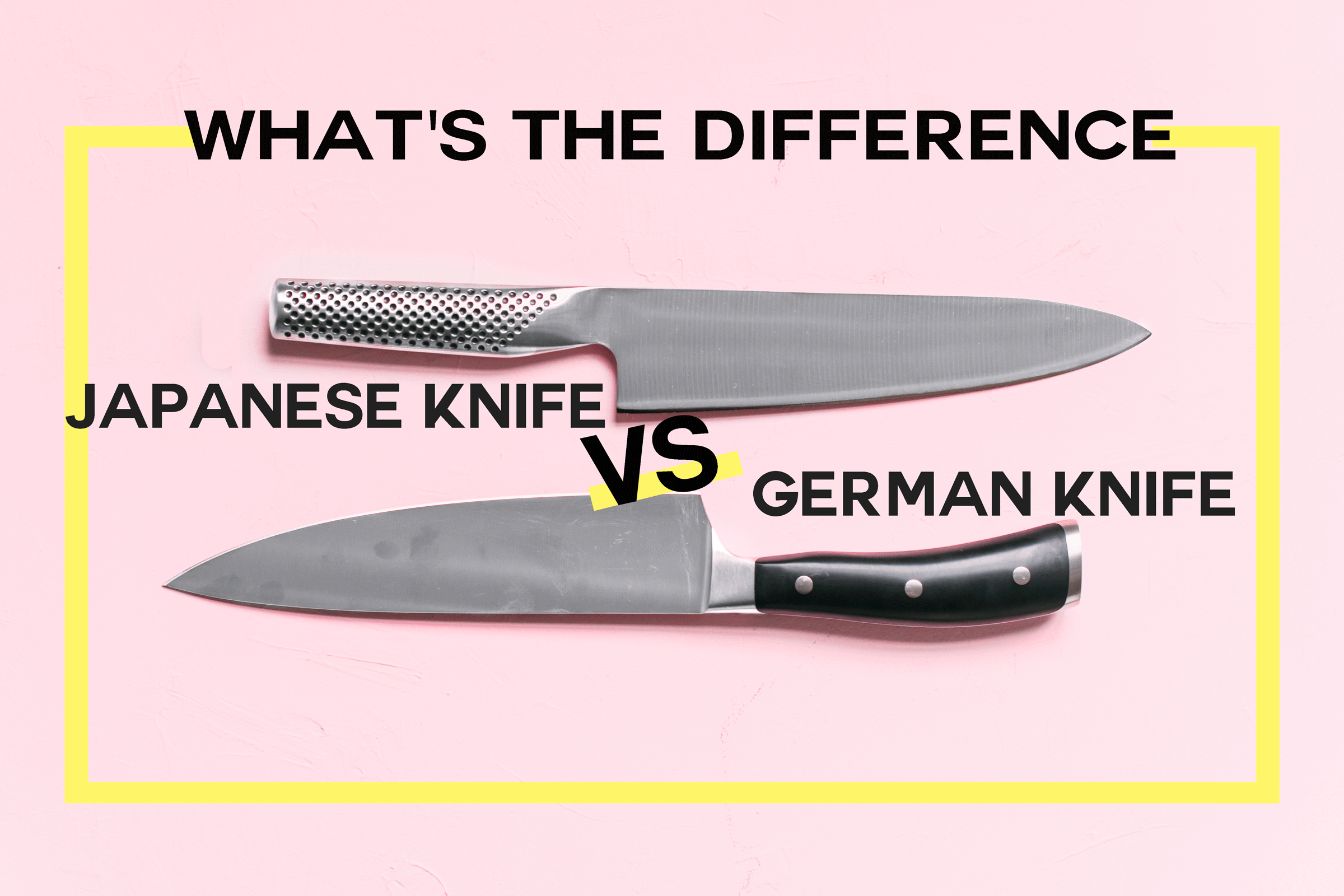
When you stand in front of your kitchen drawer, choosing the right knife can feel confusing. Should you reach for an Asian knife or stick with a standard one?
The truth is, your choice can change the way you cook and even how your meals taste. Imagine slicing vegetables with ease or carving meat like a pro—knowing the difference between these knives can unlock that power. You’ll discover exactly what sets Asian knives apart from standard knives and how picking the right one can boost your cooking skills.
Ready to find the perfect blade for your kitchen? Keep reading to learn what every home cook needs to know.
Blade Design Differences
Blade design plays a crucial role in the performance of a knife. Asian knives and standard Western knives show clear differences in their blade design. These differences affect cutting style, precision, and ease of use.
Shape And Angle
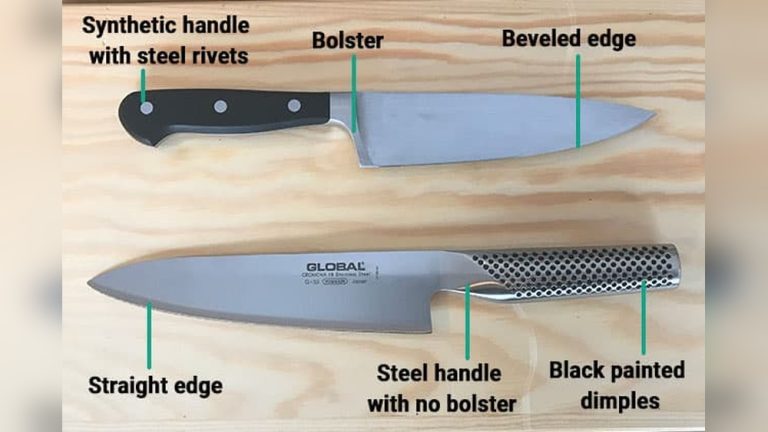
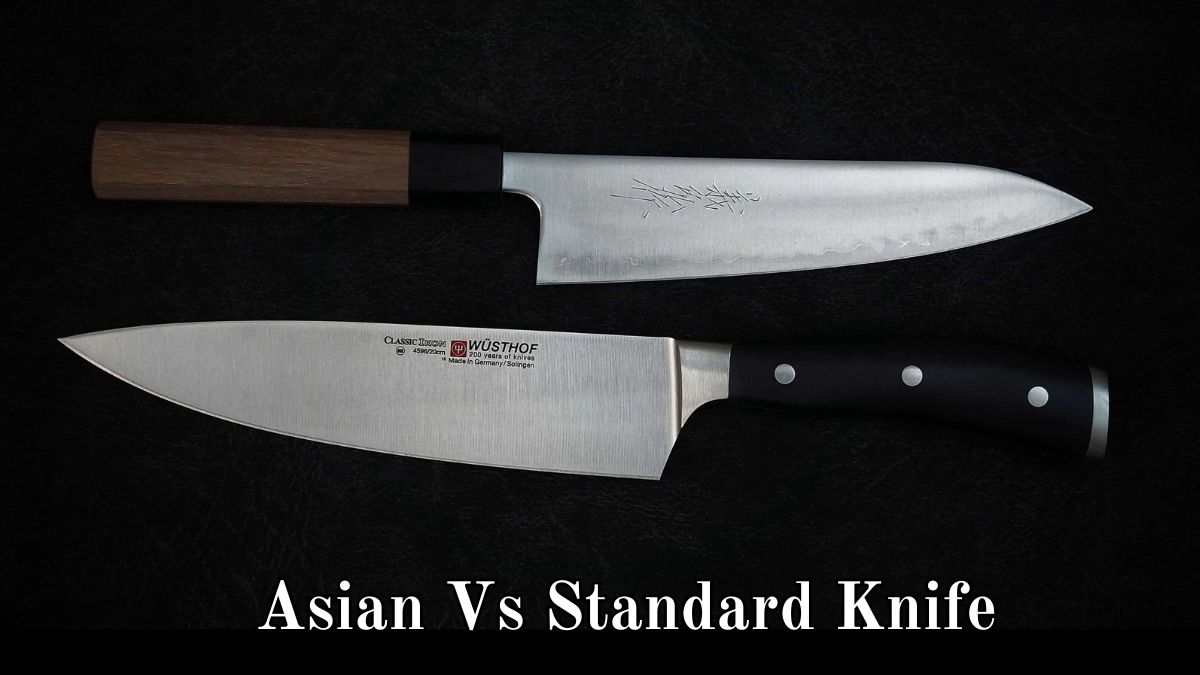
Asian knives often have a straighter edge and a pointed tip. This shape allows for precise slicing and fine cuts. Standard knives usually have a curved edge. The curve helps with rocking motions during chopping. Asian knives feature a sharper edge angle, around 15 degrees per side. Standard knives typically have a wider angle, about 20 degrees per side. The sharper angle of Asian knives offers more cutting precision.
Blade Thickness
Asian knife blades are usually thinner than standard knives. Thinner blades reduce resistance while cutting. This helps in making clean, thin slices. Standard knives have thicker blades to handle tougher tasks. The thicker blade adds durability and strength. Each design suits different cooking needs and cutting styles.
Edge Sharpness
Asian knives are known for their very sharp edges. The thin blade and sharp angle create an edge that cuts smoothly. Standard knives are sharp but less so than Asian knives. Their edges last longer because they are thicker and less fragile. Sharpening frequency and technique also differ between the two styles. Sharpness affects how easily a knife slices through food.
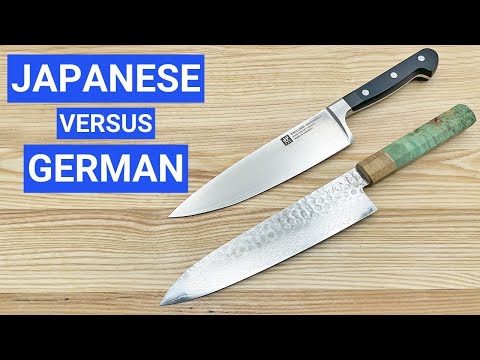
Credit: www.youtube.com
Materials And Construction
The materials and construction of a knife affect its performance and durability. Asian and standard knives differ in these key areas. Understanding these differences helps you pick the right knife for your kitchen tasks.
Steel Types
Asian knives often use harder steel. This allows a sharper, thinner edge. They hold their sharpness longer but may chip more easily. Standard knives usually use softer steel. This makes them easier to sharpen and less prone to chipping. Each steel type suits different cooking styles and needs.
Forged Vs Stamped
Forged knives are made by heating and shaping a single piece of steel. This process creates strong, durable blades. Asian knives tend to be forged for precision cutting. Stamped knives are cut from a steel sheet. They are lighter and often less expensive. Standard knives can be either forged or stamped, depending on quality and price.
Handle Materials
Asian knife handles often use wood or composite materials. These offer a comfortable grip and good balance. Standard knives use various materials like plastic, wood, or metal. Plastic handles are common for easy cleaning. Wood handles provide a traditional feel but need more care. Each handle type affects comfort and maintenance.
Cutting Performance
Cutting performance is a key factor in choosing a knife. It affects how easily you slice, chop, and prepare food. Asian knives and standard Western knives offer different cutting experiences. Each style has unique strengths that suit different kitchen tasks and preferences.
Understanding these differences helps in selecting the right knife for your needs. Let’s explore precision, durability, and versatility in cutting performance.
Precision And Control
Asian knives often have thinner, sharper blades. This design allows for very precise cuts. They excel at delicate tasks like slicing fish or vegetables thinly.
Standard knives have thicker blades and a heavier feel. This gives more control for chopping harder ingredients. They are great for tougher jobs like cutting meat or root vegetables.
Both types offer good control but suit different cutting styles. Asian knives favor finesse, while standard knives support strength and stability.
Durability And Maintenance
Standard knives usually use softer steel. This makes them easier to sharpen but they lose sharpness faster. They handle rough use well without chipping.
Asian knives use harder steel that stays sharp longer. They need careful maintenance to avoid chipping. Regular honing keeps their edge fine and precise.
Maintaining sharpness varies. Standard knives require frequent sharpening. Asian knives need gentle care but offer longer sharpness between sharpenings.
Versatility In Kitchen Tasks
Asian knives specialize in slicing and fine cutting. They work well with vegetables, fish, and boneless meats. Their shape suits quick, smooth cuts.
Standard knives are more versatile for heavy-duty work. They handle chopping, slicing, and dicing a wide range of foods. Their solid build supports tougher ingredients.
Choosing between them depends on your cooking style. Asian knives suit precision and speed. Standard knives fit all-around kitchen use.
Credit: knifevibe.com
Ergonomics And Handling
Ergonomics and handling play a big role in choosing the right knife. These features affect how the knife feels and works in your hand. Asian knives and standard Western knives differ in these areas. Understanding these differences helps you pick the best tool for your kitchen tasks.
Weight And Balance
Asian knives tend to be lighter than standard Western knives. This makes them easier to move quickly and with precision. Standard knives usually have more weight near the handle. This gives a solid, steady feel for chopping hard ingredients. Balance in Asian knives often leans toward the blade’s tip. Western knives balance near the handle. This changes how each knife feels during use.
Grip Styles
Asian knives usually have a straight handle design. This suits a pinch grip or a flat palm grip. Standard knives often have curved handles. These fit naturally in a claw or hammer grip. The shape of the handle guides how you hold the knife. Each grip style offers different control and safety benefits.
Comfort During Use
Comfort depends on hand size and cutting style. Asian knives feel lighter and less tiring for fine slicing. Western knives offer more support for forceful chopping. The handle material also matters. Wood handles feel warm and soft. Plastic or composite handles resist slipping. Comfort affects how long you can work without strain.
Cultural And Culinary Context
The cultural and culinary background shapes the design and use of knives in Asia and the West. Knives reflect food traditions and cooking styles in each region. Understanding these differences helps cooks choose the right tool.
Asian knives often serve specific roles in preparing traditional dishes. Western knives tend to be more versatile but follow a different style. This section explores these unique qualities.
Traditional Uses
Asian knives often focus on precision and thin slicing. They are ideal for cutting vegetables and fish delicately. Standard Western knives are built for heavier tasks like chopping meat and dicing vegetables. They balance sharpness with durability. Each knife style suits the cooking methods passed down through generations.
Cuisine Compatibility
Asian knives work best with Asian dishes that require fine cuts and fast preparation. Sushi and stir-fries benefit from sharp, lightweight blades. Western knives fit well with roasting, grilling, and baking. They handle tougher ingredients and larger cuts of meat. Different knives support the flavors and textures unique to each cuisine.
Regional Preferences
In Asia, countries favor knives that match their local foods and cooking habits. Japan prefers thin, single-beveled knives for precision. China uses cleaver-style knives for versatility. Western regions favor heavier, double-beveled knives for broad kitchen use. These preferences highlight cultural values and cooking needs in each area.
Price And Value
Price and value play a big role when choosing between Asian and standard knives. Both types offer unique benefits that affect their cost and worth. Understanding these differences helps you make a smart purchase that lasts long and fits your budget.
Cost Comparison
Asian knives often cost more upfront than standard knives. Their design and materials require skilled craftsmanship. Standard knives usually have a lower starting price. They use common materials and simpler shapes. The price gap depends on the brand and blade quality. Some Asian knives justify the cost with better performance. Standard knives offer good value for everyday use.
Longevity And Investment
Asian knives tend to stay sharper longer. They need less frequent sharpening, saving time and money. Standard knives may dull faster and need more care. High-quality steel in Asian knives resists rust and damage. This durability makes them a smart investment. Standard knives can last well if maintained properly. Regular sharpening and cleaning extend their life.
Brand Reputation
Well-known Asian knife brands have earned respect for quality. They often use traditional techniques passed down for generations. Standard knife brands focus on consistency and affordability. Reputation affects price and customer trust. Choosing a trusted brand ensures better performance. Researching reviews helps find reliable knives in both types.
Choosing The Right Knife
Choosing the right knife is key for good cooking. The right knife helps you cut food easily and safely. It also makes cooking faster and more fun. Both Asian and standard knives have strong points. Knowing your needs helps pick the best knife for you.
Assessing Your Cooking Needs
Think about the food you cook most. Asian knives work well with vegetables and fish. Standard knives suit meat and general tasks. Consider the size of your kitchen and knife storage. A smaller knife can save space. Match the knife to your usual cooking style.
Skill Level Considerations
Some knives need more skill to use well. Asian knives often have sharper edges but need careful handling. Standard knives are easier for beginners. Choose a knife that feels comfortable in your hand. Practice will improve your knife skills over time.
Maintenance Commitment
Knives need care to stay sharp and last long. Asian knives often require more regular sharpening. They may also need gentle washing by hand. Standard knives are usually easier to maintain. Think about how much time you want to spend on care.

Credit: chefschoice.com
Frequently Asked Questions
What Are The Main Differences Between Asian And Standard Knives?
Asian knives typically have a thinner, sharper blade and a single bevel edge. Standard knives often have a thicker, double bevel blade. Asian knives excel in precision slicing, while standard knives offer versatility for various kitchen tasks.
Which Knife Is Better For Slicing Vegetables?
Asian knives are generally better for slicing vegetables due to their thin, sharp blades. They provide cleaner cuts and reduce bruising. Standard knives can slice vegetables but may not offer the same precision or ease for delicate tasks.
Are Asian Knives Harder To Maintain Than Standard Knives?
Asian knives require more frequent sharpening because of their thin edges. They also need careful handling to avoid chipping. Standard knives are usually more durable and easier to maintain for everyday use.
Can I Use An Asian Knife For All Cooking Tasks?
Asian knives are excellent for specific tasks like slicing fish and vegetables. However, they may not be ideal for heavy-duty chopping or cutting through bones. Standard knives offer more versatility for a wider range of kitchen jobs.
Conclusion
Choosing between Asian and standard knives depends on your cooking needs. Asian knives often have thinner blades for delicate cuts. Standard knives tend to be heavier and more versatile. Both types offer good sharpness and durability. Think about the foods you prepare most.
Consider comfort and how the knife feels in your hand. Either choice can improve your kitchen experience. Try handling both types before deciding. Good knives make cooking easier and more enjoyable. The right knife helps you cook with confidence and ease.