When you step into the kitchen, the right knife can make all the difference. But how do you choose between a prep knife and a chef knife?
You might think they’re the same, but each has its own unique strengths that can change the way you cook. If you want to slice, dice, and chop like a pro, understanding these differences is key. Keep reading, because by the end of this article, you’ll know exactly which knife fits your cooking style and needs.
Your kitchen skills are about to get a serious upgrade.
Knife Basics
Knives are essential tools in every kitchen. They help with chopping, slicing, and dicing food. Two common knives are the prep knife and the chef knife. Each has a special shape and purpose. Knowing their basics helps you choose the right knife for your cooking needs.
Both knives have sharp blades, but they differ in size and use. Understanding these differences can improve your cooking experience. Let’s explore the key features of prep knives and chef knives.
Key Features Of Prep Knives
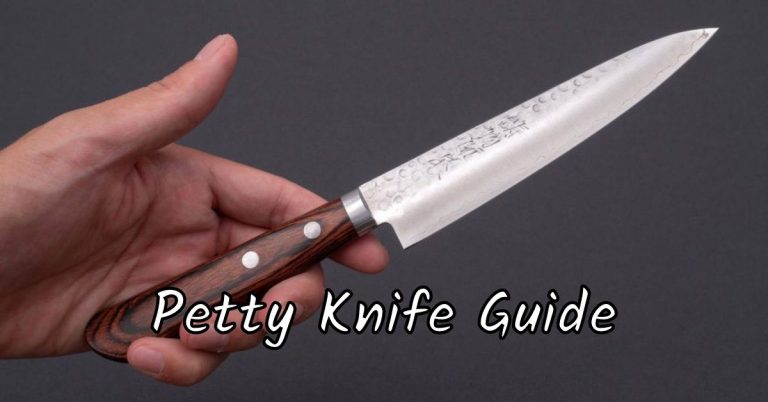
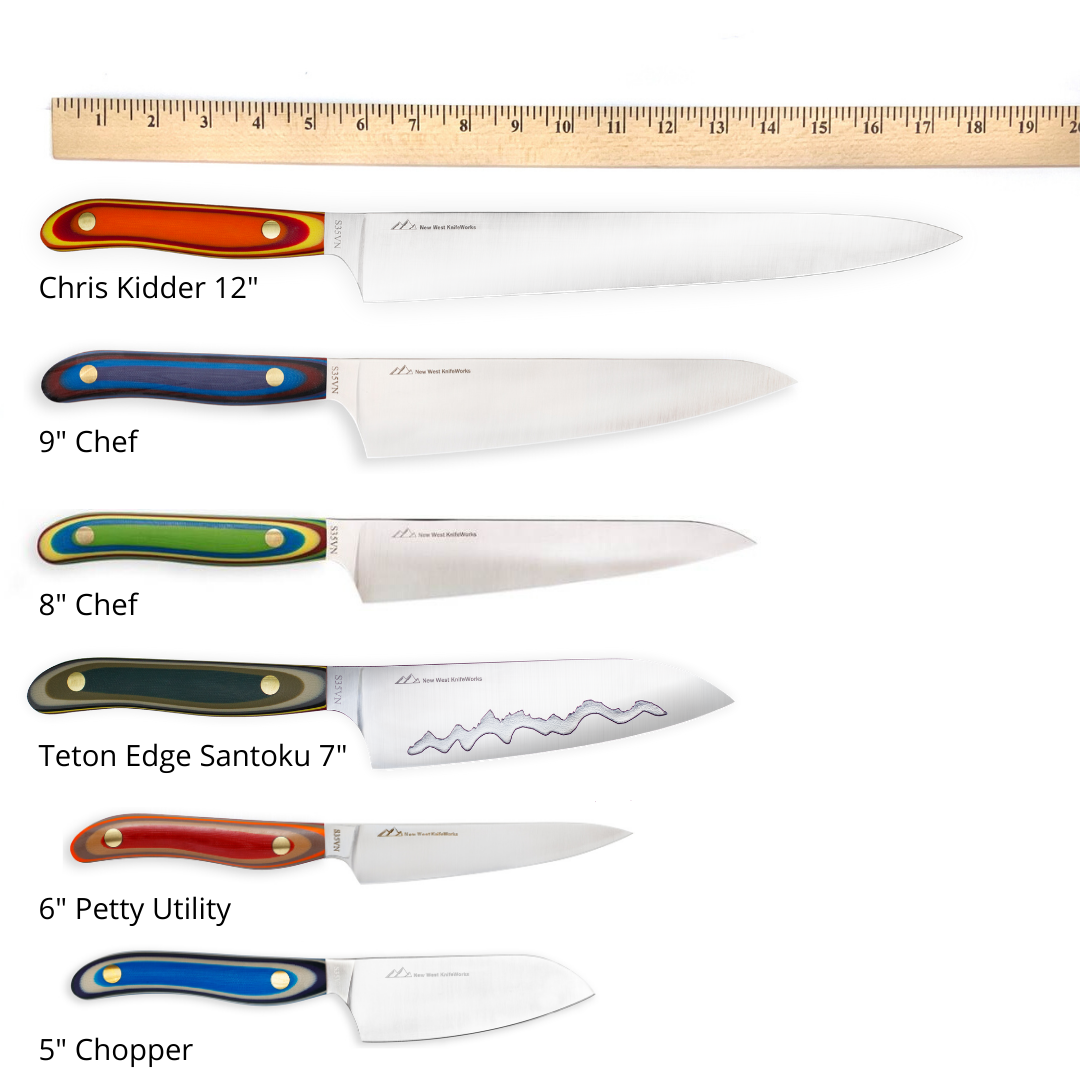
Prep knives are smaller and lighter than chef knives. Their blades usually measure between 5 and 7 inches. This size makes them easy to handle for precise cuts. The blade is narrow and straight, perfect for peeling and trimming fruits and vegetables.
Prep knives offer great control for detailed tasks. Their sharp tip helps in cutting small food items. These knives are ideal for quick, simple prep work. They are a good choice for beginners and daily kitchen use.
Key Features Of Chef Knives
Chef knives have larger blades, typically 8 to 10 inches long. Their curved blade allows a rocking motion while cutting. This makes chopping herbs and vegetables faster and smoother. The wide blade can also crush garlic or lift chopped food from the board.
These knives are versatile and handle many kitchen tasks. They work well with meat, vegetables, and fruits. Chef knives require practice to use safely and effectively. They suit cooks who prepare large meals or want one knife for all jobs.
Design And Size
Design and size play a big role in choosing between a prep knife and a chef knife. Both knives have unique shapes and lengths. These features affect how you use them in the kitchen. Understanding these differences helps pick the right knife for each task.
Blade Length Comparison
Prep knives usually have shorter blades. Their blades range from 5 to 7 inches. This size makes them perfect for small cutting jobs. Chef knives have longer blades. Their blades typically measure 8 to 10 inches. Long blades help with chopping large vegetables and slicing meat. The length of the blade affects control and precision.
Handle And Grip Differences
Prep knives often have slim handles. These handles offer a light, easy grip. They suit quick, detailed cutting work. Chef knives have thicker, heavier handles. The design helps balance the longer blade. This balance reduces hand fatigue during long tasks. The grip style affects comfort and safety while cutting.
Cutting Techniques
Cutting techniques vary depending on the knife type. Prep knives and chef knives each have unique roles in the kitchen. Understanding their best uses improves food preparation and safety.
Both knives help with chopping, slicing, and dicing. Yet, their shape and size guide how to use them effectively.
Best Uses For Prep Knives
Prep knives are small and light. They are perfect for detailed tasks. Peeling fruits and vegetables works well with prep knives. They also handle trimming and removing seeds. Small cuts and precise slices are easier with this knife. It fits well in the hand for control. Ideal for jobs needing accuracy and delicate touch.
Best Uses For Chef Knives
Chef knives are larger and heavier. They suit chopping larger items like meat and vegetables. Their broad blade allows easy rocking motions. Perfect for slicing, dicing, and mincing fast. Strong and durable for tougher foods. Good for cutting through bones and dense produce. Great for general kitchen tasks needing power and speed.
Credit: www.newwestknifeworks.com
Material And Durability
Material and durability play a big role in choosing between a prep knife and a chef knife. These knives face tough kitchen tasks. The material affects how long the blade lasts and how well it cuts. Durability means the knife stays sharp and strong over time.
Both prep knives and chef knives often use strong metals. The type of metal affects weight, sharpness, and rust resistance. A durable knife saves money and effort in the long run.
Blade Materials
Most knives use stainless steel or high-carbon steel. Stainless steel resists rust and stains well. It needs less care but may lose sharpness faster. High-carbon steel holds a sharper edge longer. It can rust if not dried and cleaned well.
Some knives have coated blades. The coating helps prevent rust and makes cutting smoother. Ceramic blades are sharp and light but can chip easily. Prep knives are smaller and often use lighter materials. Chef knives use heavier, stronger metals for tough chopping.
Maintenance And Sharpening
Regular sharpening keeps knives effective and safe. Steel blades need sharpening with a whetstone or sharpener. Prep knives require less sharpening due to lighter use. Chef knives dull faster from heavy chopping.
Cleaning is key to durability. Dry knives immediately after washing. Avoid harsh detergents and dishwashers. Proper care prevents rust and damage. A well-maintained knife lasts for years and cuts well every time.
Choosing Based On Cooking Style
Choosing between a prep knife and a chef knife depends largely on your cooking style. Both knives serve different purposes and suit different needs in the kitchen. Understanding how you cook helps pick the right tool. This section explores which knife fits best for home cooks and professional chefs.
For Home Cooks
Home cooks often prepare simple meals with fewer ingredients. A prep knife works well for these tasks. It is smaller and easier to handle for quick chopping and slicing. The prep knife is perfect for cutting vegetables, fruits, and small meats. It requires less skill and is safer for beginners. Using a prep knife can speed up meal prep without much effort.
For Professional Chefs
Professional chefs need versatile tools for many kitchen tasks. A chef knife fits this need perfectly. It has a larger blade that can chop, slice, and dice a wide range of foods. Chefs use it for precision and speed during busy service times. The chef knife handles heavy-duty cutting and delicate work alike. Its design supports long hours in the kitchen without causing fatigue.

Credit: www.frysfood.com
Budget And Value
Choosing between a prep knife and a chef knife often depends on budget and value. Both knives serve important roles in the kitchen. Understanding their cost and worth helps buyers make smart choices.
Price Range Comparison
Prep knives usually cost less than chef knives. They have smaller blades and simpler designs. You can find good prep knives under $30. Chef knives often start at $50 and go much higher. The price rises with blade quality and brand name. A budget chef knife may still offer good performance. But high-end chef knives provide better balance and sharpness.
Long-term Investment
A chef knife can last many years with proper care. Its versatility makes it a valuable kitchen tool. Spending more upfront often saves money later. A quality chef knife stays sharper longer. Prep knives may need replacing sooner if used heavily. Both knives require regular sharpening to keep them working well. Consider how often you cook and what tasks you do. This helps decide which knife offers the best long-term value.
Popular Brands And Models
Choosing the right knife brand and model helps improve your kitchen work. Popular brands offer many options for prep knives and chef knives. Each brand brings unique features, quality, and style. Knowing top models guides you to the best choice for your cooking needs.
Top Prep Knives
Victorinox Fibrox Pro is a favorite for its sharp, lightweight blade. It handles small tasks well and stays comfortable during use. Wüsthof Classic is another trusted brand. Their prep knives have durable steel and balanced handles. Global G-48 knife has a thin, sharp blade. It excels in precise cutting and easy maneuvering. These models suit chopping, peeling, and slicing small fruits and vegetables.
Top Chef Knives
Shun Classic offers a sharp, sturdy blade that holds its edge. The handle fits well, making long prep work easier. Zwilling J.A. Henckels Pro is known for strong steel and solid balance. It cuts through tougher ingredients smoothly. MAC MTH-80 is a lightweight option with high sharpness. It performs well in many kitchen tasks. These chef knives handle bigger jobs like dicing, slicing, and mincing.
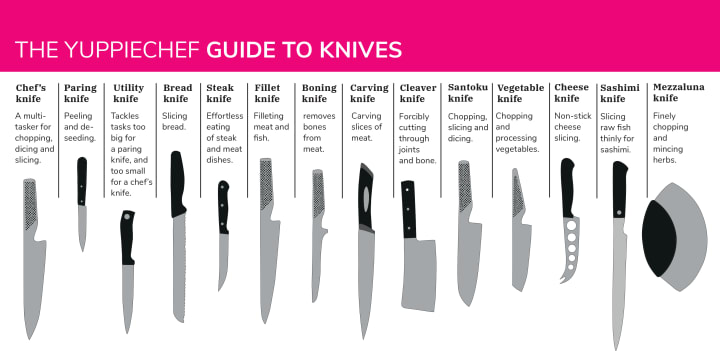
Credit: knifevibe.com
Frequently Asked Questions
What Is The Main Difference Between Prep And Chef Knives?
A prep knife is smaller, designed for precision tasks. A chef knife is larger and versatile for chopping, slicing, and dicing.
Which Knife Is Better For Everyday Kitchen Use?
A chef knife is ideal for most kitchen tasks due to its versatility. Prep knives excel in detailed work like peeling or trimming.
Can A Prep Knife Replace A Chef Knife?
No, a prep knife can’t fully replace a chef knife. They serve different purposes and complement each other in the kitchen.
How Do Blade Sizes Compare Between Prep And Chef Knives?
Prep knives typically have blades around 5-7 inches. Chef knives usually range from 8-10 inches in length for broader tasks.
Conclusion
Choosing between a prep knife and a chef knife depends on your kitchen tasks. Prep knives work well for small, detailed cuts. Chef knives handle larger jobs like chopping and slicing. Both have unique roles that help cooking go smoothly.
Think about what you cut most often. This will guide your choice. Using the right knife makes cooking easier and safer. Keep your knives sharp for best results. Enjoy cooking with tools that fit your needs perfectly.