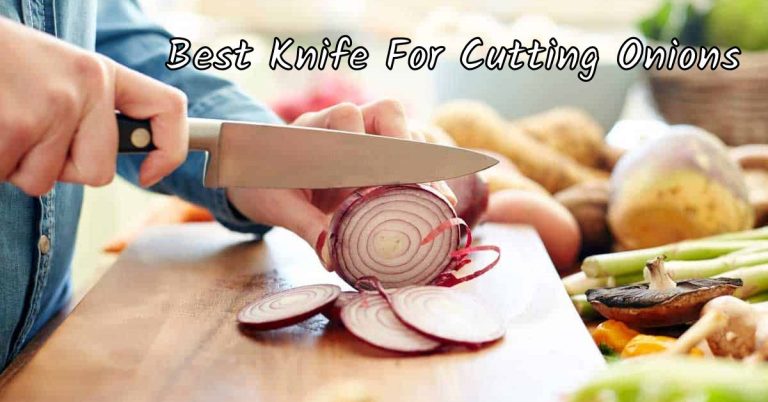
When you’re in the kitchen, choosing the right knife can make all the difference. But how do you decide between a utility knife and a steak knife?
You might think they’re similar, but each one has a unique purpose that can change the way you cut, slice, and enjoy your food. If you want to make your cooking easier and your meals tastier, understanding the difference is key.
Keep reading, and you’ll learn exactly when to reach for your utility knife—and when a steak knife is the smarter choice.
Differences Between Utility And Steak Knives
Utility knives and steak knives serve different roles in the kitchen. Knowing their differences helps choose the right tool. Each knife has unique features tailored for specific tasks. This section explains the key distinctions between them.
Blade Design And Shape
Utility knives have a narrow, straight blade. The blade usually measures between 4 to 7 inches. It has a sharp, pointed tip for precision cutting.
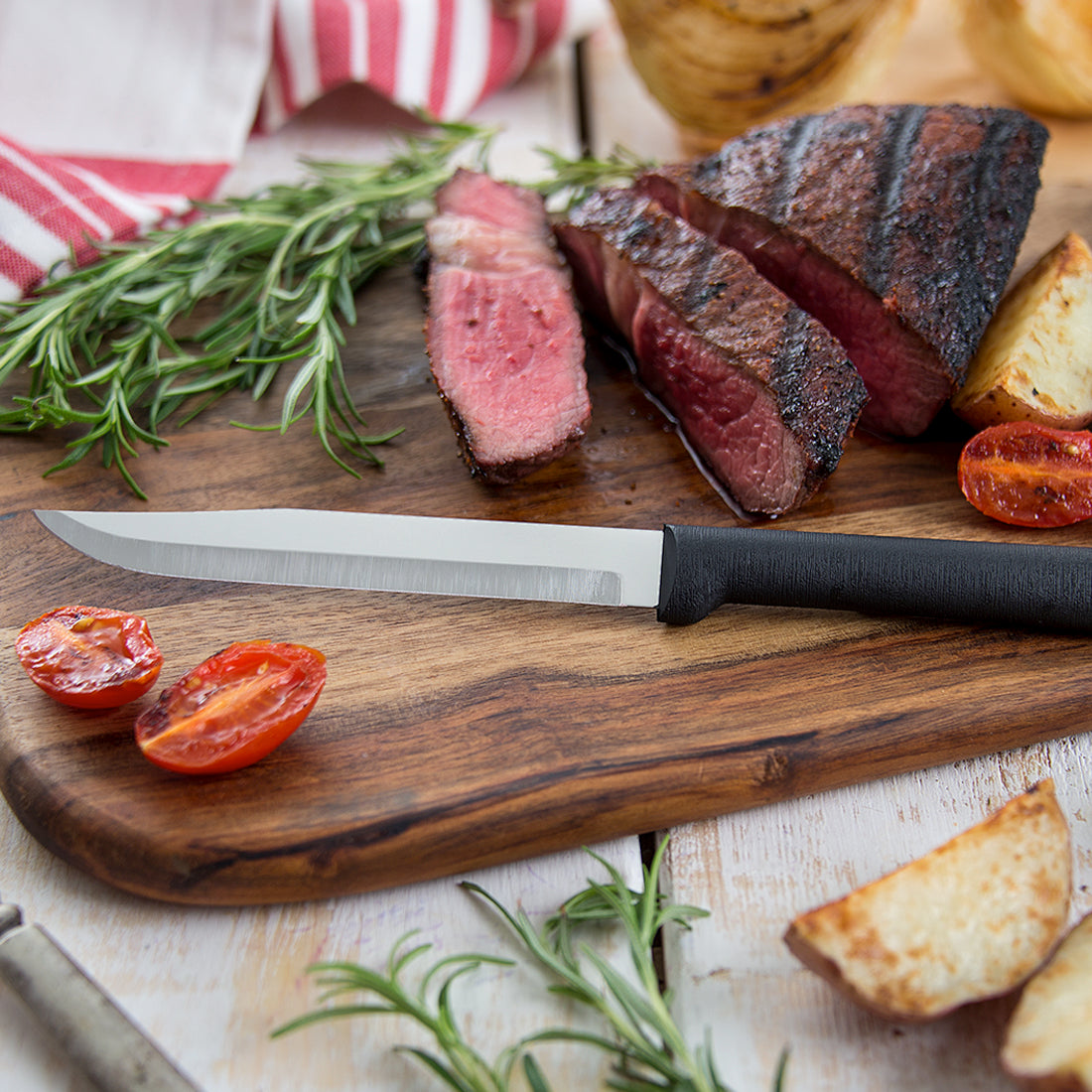
Steak knives feature a serrated or straight edge blade. The blade is typically shorter, about 4 to 5 inches long. Serrations help cut through cooked meat easily.
Typical Uses And Functions
Utility knives perform a variety of cutting tasks. They slice fruits, vegetables, and small pieces of meat. The knife is versatile for everyday kitchen use.
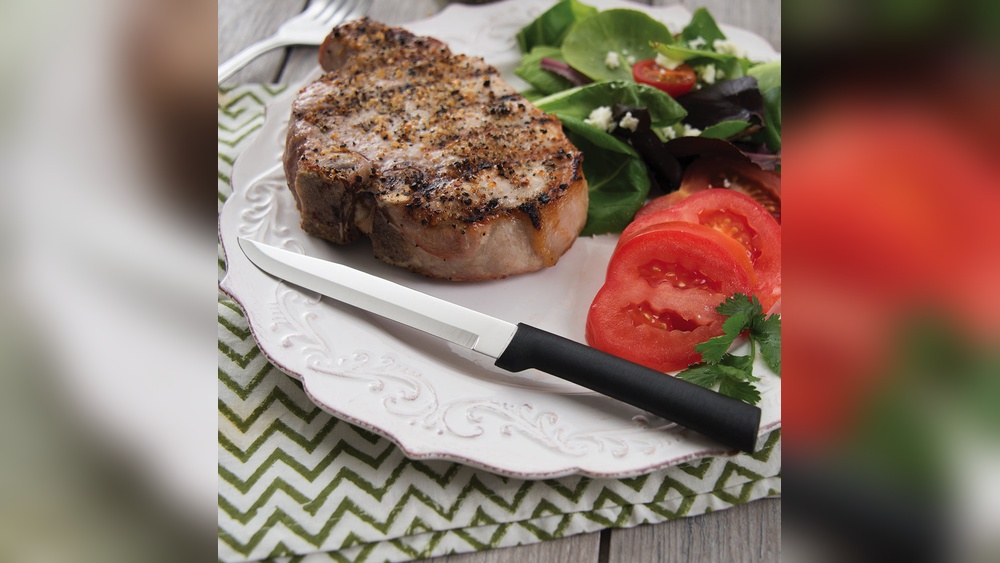
Steak knives are designed for eating cooked meat. They cut through steak, pork, and chicken at the dining table. The sharp edge makes slicing meat smooth and clean.
Material And Construction
Utility knives often use stainless steel or carbon steel blades. Handles vary from wood, plastic to metal for comfort. The blade is sturdy but designed for lighter tasks.
Steak knives use stainless steel blades for rust resistance. Handles often have a strong grip, sometimes with rivets. They are built to be durable for repeated use at meals.

Credit: www.amazon.com
Benefits Of Utility Knives
Utility knives offer many benefits in the kitchen. They are practical tools that help with a variety of tasks. These knives fit between small paring knives and large chef’s knives. This makes them perfect for many cutting jobs. Their design helps improve efficiency and ease during food preparation.
Versatility In The Kitchen
Utility knives work well for many tasks. They can slice fruits, vegetables, and sandwiches. They are also good for cutting small pieces of meat. Their size allows you to handle different foods easily. This reduces the need to switch knives often. A utility knife can do many jobs in one tool.
Ease Of Handling And Control
Utility knives are light and balanced well. This makes them easy to hold and control. Their shape fits comfortably in most hands. You can make precise cuts with less effort. This helps avoid accidents and improves safety. The knife’s design supports smooth and steady movements.
Maintenance And Sharpening
Utility knives are simple to maintain. They do not require special tools for sharpening. A regular knife sharpener keeps the blade effective. Their blades are durable and stay sharp longer. Proper care ensures the knife lasts many years. Easy maintenance saves time and effort in the kitchen.
Advantages Of Steak Knives
Steak knives offer several benefits that make them ideal for cutting meat. They provide control and ease, improving the dining experience. Their design suits the texture and toughness of meat better than general knives.
Precision Cutting For Meats
Steak knives have sharp, pointed blades. This shape allows clean, accurate cuts through steaks and other meats. The knife moves easily through fibers without tearing. Slices look neat and cook evenly.
Blade Sharpness And Edge Retention
Steak knives stay sharp longer than utility knives. Their edges resist dulling from cutting tougher meats. This means less frequent sharpening is needed. The blade keeps its cutting power over time.
Aesthetic Appeal And Table Setting
Steak knives add style to any table. Their sleek design enhances the dining atmosphere. They often come with polished handles and fine finishes. This makes meals feel special and inviting.
Choosing The Right Knife For Your Needs
Choosing the right knife for your kitchen can make cooking easier and more enjoyable. Each knife has a specific role. Knowing which knife fits your needs helps you work faster and safer. Utility knives and steak knives serve different purposes. Picking the right one depends on what you cook and how you cook it.
Factors To Consider
Think about the tasks you do most in the kitchen. Utility knives are good for cutting fruits, vegetables, and small meats. Steak knives are designed to cut cooked meat at the table. Consider the knife’s size, weight, and handle comfort. Sharpness and blade material also matter for long-term use. A knife that feels good in your hand reduces effort and risk of injury.
Matching Knives To Cooking Styles
Cooking style affects the knife you need. For everyday cooking, a utility knife works well for many foods. If you eat a lot of grilled or roasted meat, steak knives are best for serving. Some cooks prefer a utility knife for all tasks to keep things simple. Others like having separate knives for prepping and eating. Choose knives that fit how you prepare and enjoy food.
Budget And Quality Balance
Set a budget before buying knives. High-quality knives last longer and stay sharp. Budget knives can work well but may need frequent sharpening. Look for good materials like stainless steel or high-carbon steel. Spending a little more often saves money over time. Find a balance between price and durability that suits your needs.
Care Tips For Longevity
Caring for your utility and steak knives helps them last longer. Proper care keeps the blades sharp and safe. Simple habits protect your investment and improve performance.
Follow easy steps to clean, sharpen, and store your knives well. Avoid common mistakes that cause damage. These tips make your knives reliable for years.
Cleaning And Storage
Wash knives by hand with warm, soapy water. Avoid dishwashers to prevent blade damage and handle wear. Dry knives immediately to stop rust and stains.
Store knives in a block or on a magnetic strip. Keep blades separate to avoid scratches. Proper storage keeps edges sharp and safe.
Sharpening Techniques
Use a sharpening stone or honing rod for best results. Hold the blade at a 20-degree angle. Stroke evenly on both sides for a sharp edge.
Sharpen knives regularly but not too often. Over-sharpening removes metal and weakens the blade. Test sharpness by slicing soft foods.
Avoiding Common Mistakes
Never cut on hard surfaces like glass or stone. Use wooden or plastic cutting boards to protect blades. Avoid twisting or bending knives during use.
Do not use knives for opening cans or prying lids. Use the right knife for the job. These habits prevent chips, dulling, and handle damage.
Credit: products.radacutlery.com
Credit: knifevibe.com
Frequently Asked Questions
What Is The Main Difference Between Utility And Steak Knives?
Utility knives are versatile for various tasks, while steak knives are specialized for cutting cooked meat. Utility knives have a straight or slightly serrated edge. Steak knives typically have a sharp, serrated blade to slice through steaks easily.
Can A Utility Knife Replace A Steak Knife?
A utility knife can cut cooked meat but may lack the sharp serration. Steak knives provide cleaner, effortless cuts on steaks. For the best dining experience, using a steak knife is recommended.
Are Steak Knives Sharper Than Utility Knives?
Steak knives usually have serrated blades that stay sharp longer for cutting meat. Utility knives have a finer edge suited for precision tasks but dull faster on tougher cuts. Each serves a distinct purpose in the kitchen.
Which Knife Is Better For Everyday Kitchen Use?
Utility knives are better for everyday use due to their versatility. They handle fruits, vegetables, and smaller meats effectively. Steak knives are primarily for dining and cutting cooked steaks or other meats.
Conclusion
Choosing between a utility knife and a steak knife depends on your needs. Utility knives handle many kitchen tasks well. Steak knives work best for cutting cooked meat. Both knives have unique strengths and uses. Keep one or both in your kitchen for convenience.
Think about what you cut most often. A good knife makes cooking easier and more enjoyable. Simple tools, smart choices.