When it comes to preparing meals, choosing the right knife can make all the difference. You might think any sharp blade will do, but using a carving knife instead of a slicing knife—or vice versa—can change how your food looks and tastes.
Which one should you reach for? Understanding the key differences will help you cut with confidence, save time, and impress everyone at your table. Keep reading to discover which knife belongs in your kitchen and how to use it like a pro.
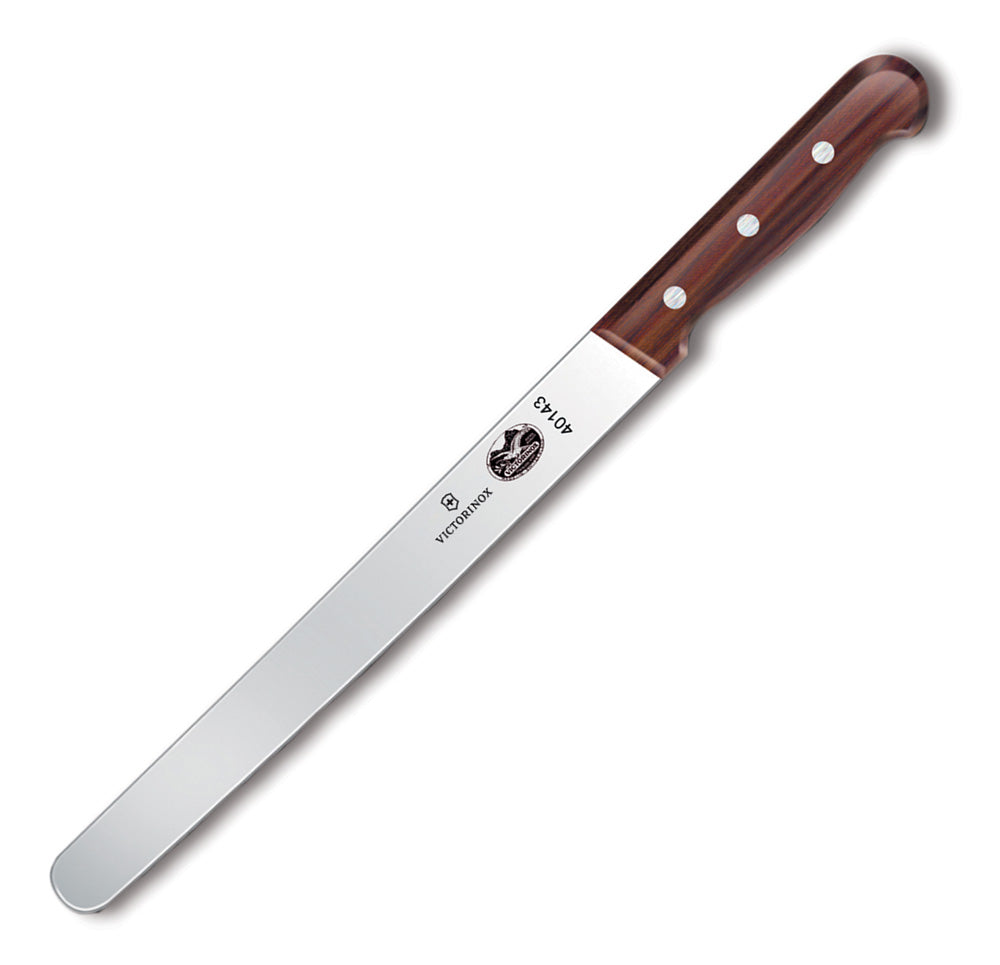
Credit: www.swissknifeshop.com
Carving Knife Features
Carving knives have unique features that make them perfect for slicing meats. They are designed to cut thin, even slices with ease and precision. Understanding their key features helps you choose the right tool for your kitchen.
Blade Shape And Length
Carving knives have long, narrow blades. The blade is usually pointed to reach tight spots. This shape helps make clean, smooth cuts. Lengths often range from 8 to 15 inches. Longer blades work well for large roasts or turkeys.
Blade Flexibility
Most carving knives have stiff blades. This firmness supports steady, straight cuts. Some blades offer slight flexibility to follow meat contours. Too much bend can make cutting harder and less precise.
Handle Design
Handles on carving knives provide a strong grip. They are often curved to fit the hand comfortably. Materials like wood, plastic, or composite improve control. A secure handle reduces slipping during cutting.
Common Uses
Carving knives are ideal for cooked meats like roast beef, ham, and turkey. They also work well for slicing large fruits or vegetables. Their design helps create thin, uniform slices every time.
Slicing Knife Features
The slicing knife has unique features that make it perfect for cutting thin, even slices. It differs from other knives by focusing on precision and smooth cuts. These features help in handling delicate foods without crushing them.
Understanding the slicing knife’s design helps choose the right one for your kitchen tasks.
Blade Shape And Length
The blade of a slicing knife is long and narrow. It usually measures between 8 to 14 inches. This length allows for long, clean strokes. The shape often tapers to a sharp point for detailed work.
Blade Flexibility
Slicing knives have flexible blades. This flexibility helps in cutting around bones and joints. It also allows the blade to bend slightly without breaking. Flexibility improves control and keeps slices even.
Handle Design
The handle is designed for comfort and grip. It often has a slight curve to fit the hand naturally. Materials like wood, plastic, or composite keep the handle lightweight. A good handle reduces hand fatigue during slicing.
Common Uses
Slicing knives are great for cooked meats like roasts and turkey. They work well with fish and large vegetables. The knife helps make thin, uniform slices for better presentation. It is ideal for serving food neatly.
Material And Construction
The material and construction of carving and slicing knives affect their performance and durability. Each knife type uses different materials for blades and handles to suit specific cutting tasks. Understanding these differences helps choose the right knife for your kitchen.
Blade Materials
Carving and slicing knives usually have blades made from stainless steel or high-carbon steel. Stainless steel resists rust and stays sharp longer. High-carbon steel blades are sharper but may need more care to avoid rust. Some knives use layered steel for strength and flexibility. The blade material affects how well the knife cuts and how long it lasts.
Handle Materials
Handles come in wood, plastic, or composite materials. Wooden handles feel warm and provide a good grip. Plastic handles are lightweight and easy to clean. Composite handles blend materials for durability and comfort. The handle material impacts how safe and comfortable the knife feels during use.
Blade Edge Types
Carving knives often have straight, thin edges for precise cuts. Slicing knives can have straight or slightly serrated edges. Serrated edges help cut through tougher surfaces like meat crusts. The edge type determines how smoothly the knife slices and the kind of foods it suits best.
:max_bytes(150000):strip_icc()/sea-slicerknives-shun-set-taylor-murray-05-1bc263b41d6749928fa52c38f4e9981c.jpeg)
Credit: vixencomposites.com
Performance Comparison
Comparing the performance of carving and slicing knives helps in choosing the right tool. Each knife has unique strengths. Understanding these can improve your cutting tasks in the kitchen.
Let’s explore how these knives differ in precision, cutting speed, and care.
Precision And Control
Carving knives have narrow, pointed blades. This design allows for detailed cuts and thin slices. They offer better control over the cut, making them ideal for meats.
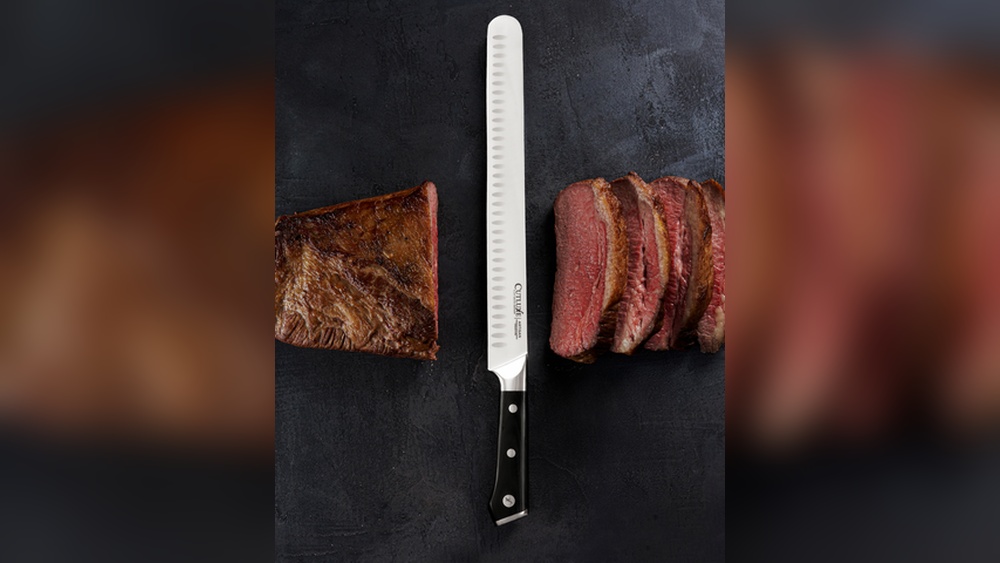
Slicing knives have longer, wider blades. They glide smoothly through food, producing even slices. These knives work well for bread, cakes, and roasts.
Cutting Efficiency
Carving knives excel at cutting through cooked meats. Their sharp edge slices smoothly without tearing. This saves time and keeps the meat’s juices inside.
Slicing knives handle larger food items better. Their length covers more surface area per cut. This speeds up slicing tasks like carving ham or cutting vegetables.
Maintenance And Sharpening
Carving knives require regular sharpening to keep their fine edge. Their thinner blade needs gentle care to avoid bending. Proper sharpening tools extend the knife’s life.
Slicing knives are easier to maintain due to their robust blade. They tolerate more frequent use and rough handling. Sharpening is straightforward and less frequent than carving knives.
Choosing The Right Knife
Choosing the right knife makes a big difference in the kitchen. The right knife helps you cut food easily and safely. Picking between a carving and slicing knife depends on what you need it for. Understanding your needs helps you find the perfect tool for cooking.
Intended Cutting Tasks
Think about what you will cut most often. Carving knives work best for slicing cooked meat. They have a narrow blade for clean cuts. Slicing knives have longer, thinner blades. They are good for cutting large pieces of meat or fish. Choose the knife that suits your main cooking tasks.
Comfort And Ergonomics
Comfort matters when using a knife for a long time. Look for a handle that feels good in your hand. A good grip helps control the knife safely. Try to hold the knife before buying it. A comfortable knife reduces hand fatigue and improves cutting precision.
Budget Considerations
Knives come in many price ranges. Decide how much you want to spend. Basic knives work well for simple tasks. Higher-priced knives often last longer and feel better. Choose a knife that fits your budget and needs. Remember, a good knife is an investment for your kitchen.
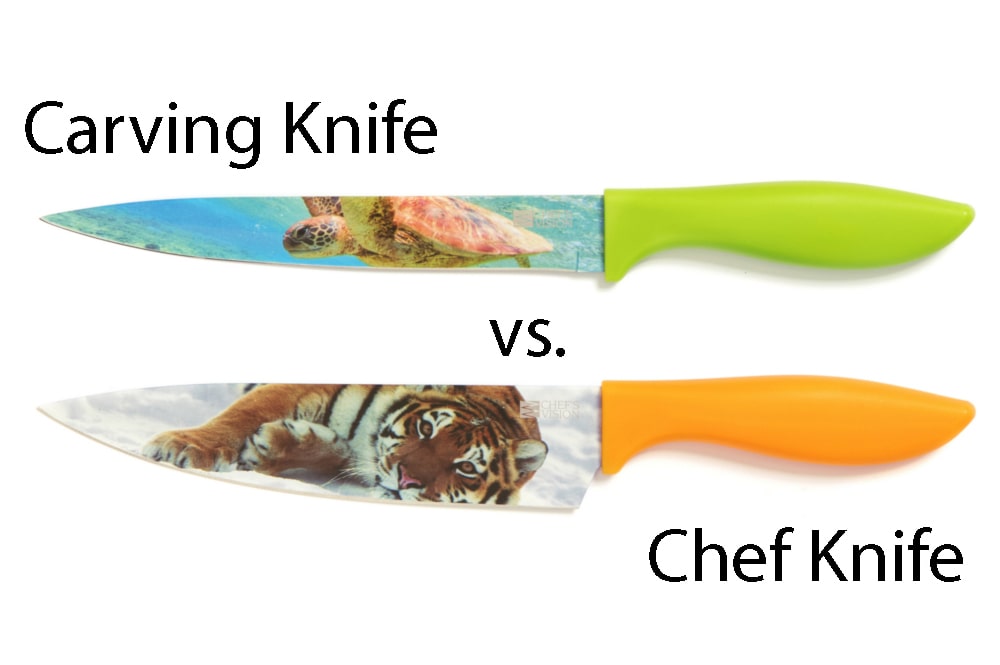
Credit: chefsvisionknives.com
Care And Storage Tips
Proper care and storage keep your carving and slicing knives sharp and safe. Clean knives last longer and perform better. Store them carefully to avoid damage or accidents. Follow these simple tips to maintain your knives.
Cleaning Techniques
Wash knives by hand with warm water and mild soap. Avoid using a dishwasher. Dry knives immediately with a soft cloth. Never soak knives in water. This prevents rust and damage to the blade and handle.
Proper Storage Options
Store knives in a knife block or on a magnetic strip. Avoid tossing them in a drawer. Use blade guards if you must store knives loosely. Proper storage keeps edges sharp and prevents injury.
Sharpening Methods
Sharpen knives regularly using a whetstone or sharpening steel. Follow the blade angle for best results. Avoid electric sharpeners that may damage the blade. Keep your knives sharp for smooth, safe cutting.
Frequently Asked Questions
What Is The Main Difference Between Carving And Slicing Knives?
Carving knives have a thinner, narrower blade for precise cuts. Slicing knives have a longer, flexible blade for smooth, even slices. Both serve different cutting needs in the kitchen.
Which Knife Is Best For Carving Meat?
A carving knife is best for meat. It offers control and clean cuts, especially for roasts, poultry, and ham. The thin blade reduces tearing.
Can A Slicing Knife Be Used For Carving?
Yes, but slicing knives are less precise for carving. They excel at smooth, thin slices rather than detailed cuts. Using the right knife improves results.
How Do Blade Shapes Differ Between Carving And Slicing Knives?
Carving knives have a pointed tip and narrow blade. Slicing knives have a rounded tip and longer, flexible blade. Shape affects cutting style and food type.
Conclusion
Choosing between a carving knife and a slicing knife depends on your needs. Carving knives work best for cutting large meats with precision. Slicing knives excel at making thin, even cuts. Both knives have unique shapes and uses. Keep your kitchen tools sharp and clean.
This helps you prepare meals easily and safely. Understanding these differences improves your cooking experience. Try both to see which suits you. Simple tools make cooking more enjoyable.