Have you ever found yourself staring at your cutlery, wondering which knife to use? When it comes to setting the table or enjoying your meal, choosing between a butter knife and a table knife might seem simple—but it’s more important than you think.
Using the right knife can change your dining experience, making it smoother and more enjoyable. You’ll discover the key differences between a butter knife and a table knife, and why knowing which one to pick matters for your meals. Keep reading to make your next dining moment effortless and stylish.
Blade Shape And Design
The blade shape and design of knives play a big role in their use. Butter knives and table knives look similar but have key differences. These differences affect how well they do their jobs. Understanding these details helps choose the right knife for the right task.
Butter Knife Features
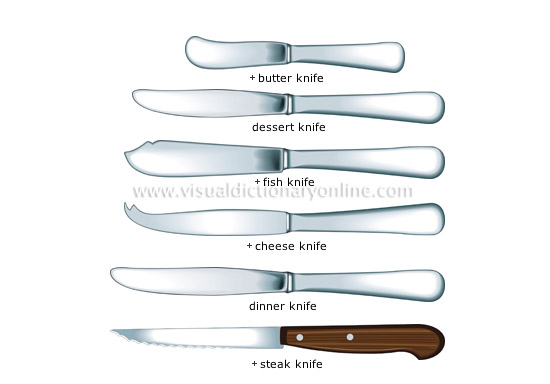
Butter knives have a blunt, rounded blade. The blade is wide and flat. This shape helps spread butter smoothly. The edge is dull, not sharp. It avoids tearing bread or other soft foods.
The blade tip is often rounded or slightly squared. This design keeps it safe for children to use. The handle is usually short and easy to hold. The overall design focuses on comfort and control.
Table Knife Features
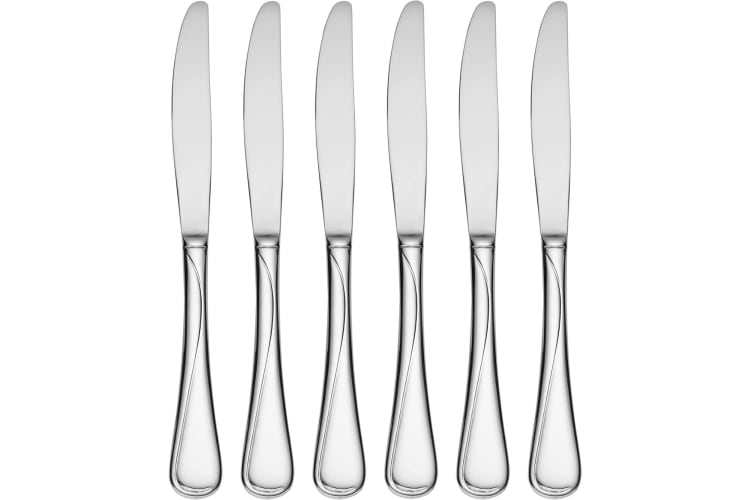
Table knives have a sharper and narrower blade than butter knives. The blade is slightly pointed at the tip. This helps cut soft foods like cooked vegetables or meat.
The edge is mildly serrated or smooth. It can slice without needing much force. The blade is longer and thinner to handle different foods. The handle fits comfortably in the hand for better grip.
Credit: www.cozymeal.com
Primary Uses
Understanding the primary uses of a butter knife and a table knife helps with proper table setting and food enjoyment. Each knife serves a specific purpose. Knowing which to use makes dining easier and neater.
Spreading Butter
A butter knife is designed for spreading butter smoothly. Its wide, flat blade holds soft butter well. This knife makes it easy to spread butter evenly on bread or rolls. Using a table knife for spreading butter can be less effective. The sharper edge may tear the bread or make uneven spreads.
Cutting Food
A table knife is made for cutting cooked food during a meal. Its slightly sharp edge can cut soft foods like vegetables, meat, and fish. The shape helps to slice food into bite-size pieces safely. Butter knives are not suitable for cutting food. Their dull edge cannot cut properly and may slow down the meal.
Material And Construction
The material and construction of butter knives and table knives affect their use and lifespan. These knives serve different purposes, so their build differs. Understanding their materials helps you pick the right knife for your needs.
Common Materials
Butter knives often use stainless steel or silver-plated materials. Stainless steel resists rust and looks shiny. Silver-plated knives have a classic, elegant feel but need more care.
Table knives usually feature stainless steel blades. Handles can be plastic, wood, or metal. Plastic handles are lightweight and easy to clean. Wood handles offer a traditional look but may wear over time.
Durability Factors
Stainless steel makes knives strong and long-lasting. It does not chip or bend easily. Silver-plated knives can tarnish and need polishing to stay bright.
Plastic handles can crack or discolor with heavy use. Wood handles may absorb moisture, causing damage. Metal handles provide durability but can feel cold to hold.
Credit: knifevibe.com
Safety Considerations
Safety is a key factor when choosing between a butter knife and a table knife. Both knives serve different purposes, but their design impacts how safe they are to use. It is important to understand these differences to prevent accidents.
Sharpness Levels
Butter knives have dull edges. They are made to spread butter, not cut hard foods. This reduces the risk of cuts or injuries. Table knives have sharper edges for cutting meat and other foods. They require more care while handling. Sharpness means you can cut better but also risk more harm.
Child-friendly Options
Butter knives are safer for children to use. Their blunt edges make them ideal for little hands. Table knives, with sharper blades, are not suitable for kids. Parents should choose butter knives for young children to avoid accidents. Teaching safe knife habits starts with the right tool.
Table Etiquette
Table etiquette guides how to use knives properly at the dining table. It shows respect for others and keeps the meal pleasant. Knowing the difference between a butter knife and a table knife helps you avoid mistakes. Using the right knife improves your dining experience and follows social rules.
Proper Knife Usage
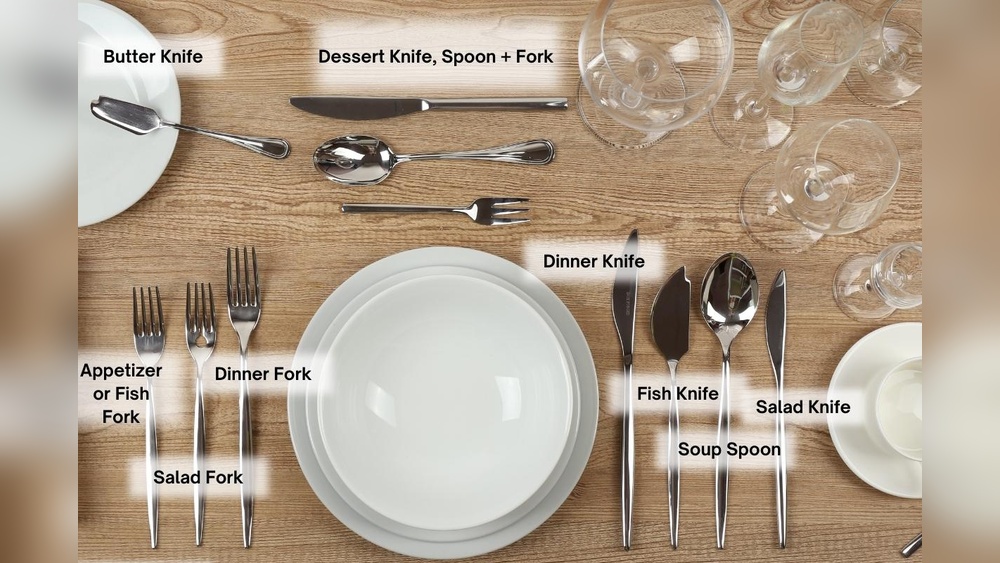
The butter knife is blunt and has a rounded tip. It is made for spreading butter, jam, or soft spreads. Do not use it to cut food. The table knife has a sharper edge and a pointed tip. It is designed to cut and push food. Hold the table knife with your fingers wrapped around the handle. Use gentle pressure to cut your food. Rest the knife on the plate when not in use. Avoid making loud sounds by scraping the knife on the plate.
Cultural Variations
Different cultures have unique knife rules at the table. In Europe, the knife stays in the right hand while eating. In the United States, people often switch the knife to the right hand after cutting. Some Asian cultures use chopsticks instead of knives. In some places, it is polite to keep the knife and fork parallel on the plate after finishing. Learning local customs shows good manners and respect.

Credit: sabrinacurrie.com
Choosing The Right Knife
Choosing the right knife can change your dining experience. Different knives serve different purposes. Knowing which knife to pick helps in serving food properly. It also adds to the table’s appearance. This guide explains how to choose between a butter knife and a table knife for various occasions.
For Everyday Use
Butter knives are perfect for daily meals. They are small and easy to handle. These knives spread butter, jam, or soft cheese smoothly. Their blunt edge prevents cutting hard food. Table knives work well for cutting soft foods like cooked vegetables and tender meats. They have a slightly sharp edge for light cutting. Choosing a knife depends on the type of food you eat most often.
For Formal Dining
Table knives suit formal meals best. Their polished look adds elegance to the table. These knives are sharper and longer than butter knives. They cut main course items neatly and safely. Butter knives are placed on the bread plate. They help spread butter without damaging the bread. Using the right knife shows good manners and respect for guests.
Frequently Asked Questions
What Is The Difference Between A Butter Knife And A Table Knife?
A butter knife has a blunt edge designed for spreading butter. A table knife has a sharper edge suitable for cutting soft foods during meals. Their shapes and uses differ to enhance dining convenience and etiquette.
Can I Use A Table Knife To Spread Butter?
Yes, but a table knife’s sharper edge may tear bread. Butter knives provide smoother spreading without damaging the food. Using the correct knife improves dining experience and presentation.
Why Is The Butter Knife Blade Dull?
Butter knives have dull blades to safely spread soft items like butter. This design prevents cutting or tearing bread. It also distinguishes their function from sharper knives used for cutting.
Are Butter Knives And Table Knives Interchangeable?
They can be used interchangeably in casual settings but are not ideal. Butter knives are better for spreading, while table knives are designed for cutting. Using the right knife maintains proper dining etiquette.
Conclusion
Both butter knives and table knives have clear uses. Butter knives spread soft butter without tearing bread. Table knives cut food during meals with ease. Choosing the right knife can make eating better. Simple tools, each designed for a purpose.
Keep these differences in mind next time you set the table. Small details matter in daily dining. Knowing which knife to use helps avoid confusion. Enjoy your meals with the proper knife in hand.