When it comes to cutting meat, choosing the right tool can make all the difference. You might be wondering: should you reach for a meat cleaver or a butcher knife?
Both have their place, but knowing which one suits your needs can save you time, effort, and frustration in the kitchen. You’ll discover the key differences between these two essential tools, how each works, and which one will help you get the job done faster and cleaner.
Keep reading to make sure your next meal prep is smooth and efficient!
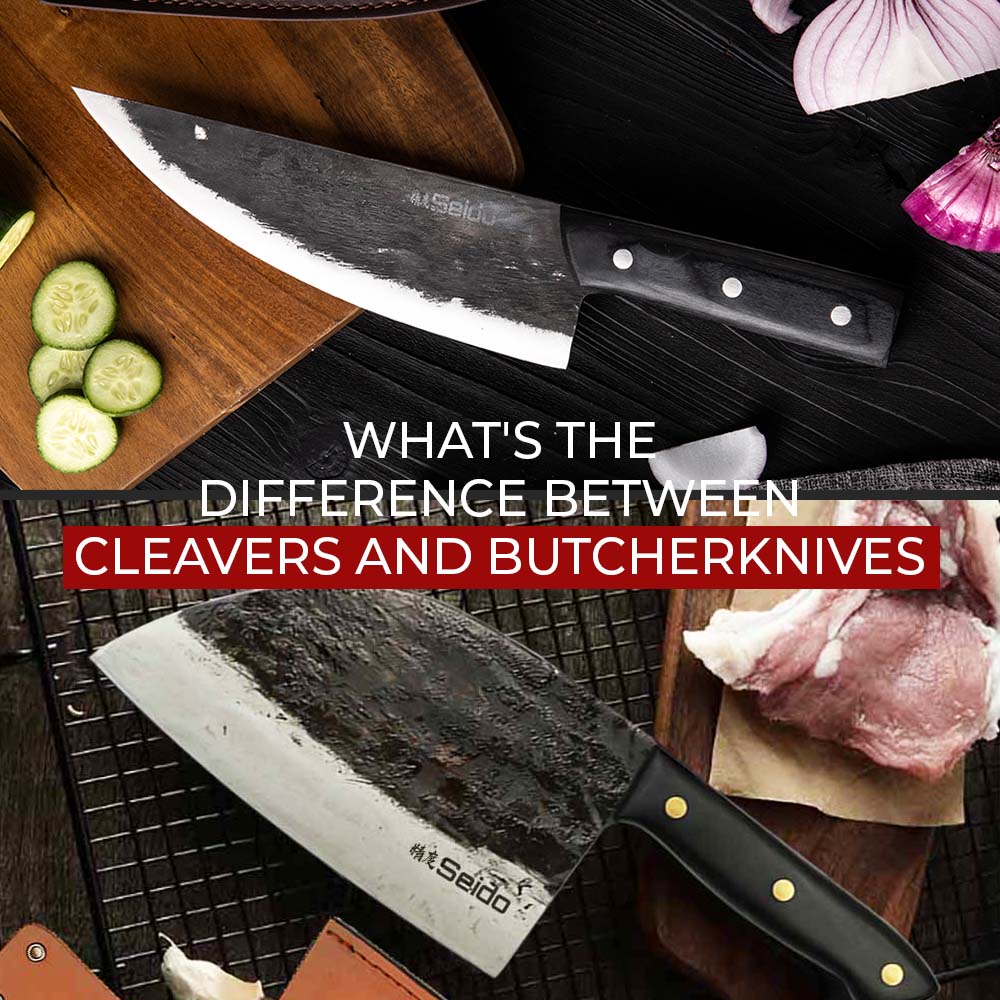
Credit: seidoknives.com
Meat Cleaver Basics
The meat cleaver is a strong, heavy tool used in many kitchens. It helps with tough tasks that other knives cannot handle. Understanding its basics helps you decide when to use it. The cleaver is different from a regular knife in shape, size, and purpose.
Design And Features
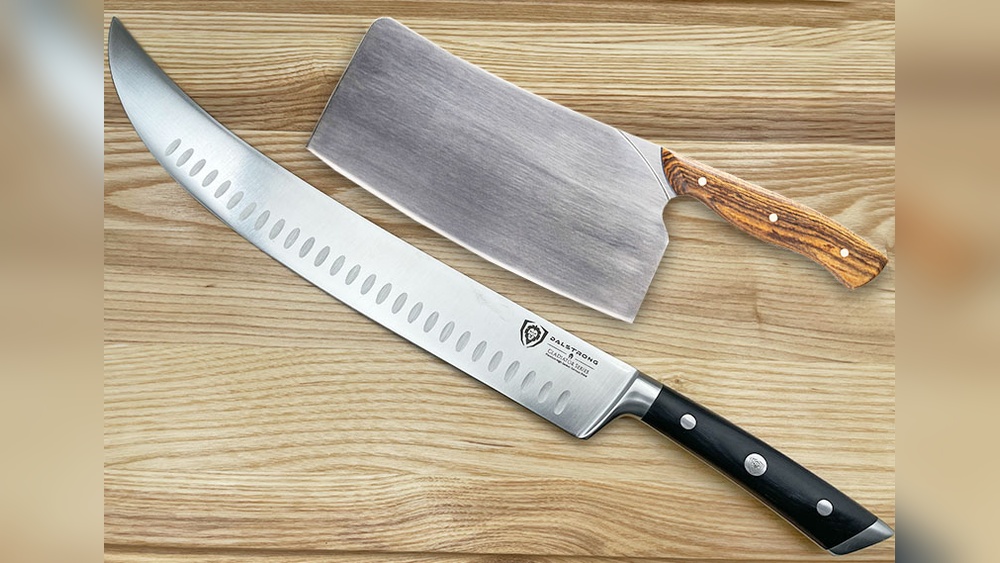
The meat cleaver has a wide, rectangular blade. The blade is thick and heavy to cut through bones. Its handle is sturdy for a strong grip. The cleaver’s blade often weighs between 1 to 3 pounds. The weight helps to chop with less effort. Some cleavers have a hole for hanging storage.
Common Uses
The cleaver is perfect for cutting large meat pieces. It can chop through bones and cartilage easily. Many cooks use it to break down whole poultry or ribs. It also works well for smashing garlic or ginger. The cleaver can crush and chop ingredients quickly.
Advantages In The Kitchen
The cleaver saves time on heavy chopping tasks. Its weight helps cut through tough materials faster. It reduces the risk of blade slipping on bones. The wide blade can scoop up chopped food. It also protects the hand by keeping fingers away. The cleaver is a versatile tool for meat preparation.

Credit: www.youtube.com
Butcher Knife Essentials
The butcher knife is a key tool in meat preparation. It helps cut through meat smoothly and safely. Understanding its design and use improves your cooking experience. Below are the essential details about butcher knives.
Blade Shape And Size
Butcher knives have a wide, curved blade. The curve helps with slicing large pieces of meat. The blade size usually ranges from 6 to 14 inches. A longer blade works well for big cuts. The blade is thick to handle tough meat and bones.
Typical Applications
Butcher knives are perfect for cutting raw meat. They help trim fat and remove bones. The knife also slices large portions into smaller pieces. It works well on beef, pork, and lamb. Many chefs use it for everyday meat tasks.
Benefits For Meat Preparation
The butcher knife offers strong cutting power. It reduces effort when handling tough meat. The curved blade improves control and precision. This helps make clean and even cuts. It also keeps your hands safe from slips.
Comparing Performance
Comparing the performance of a meat cleaver and a butcher knife shows their unique strengths. Both tools serve specific roles in meat preparation. Understanding their differences helps choose the right tool for each task.
Cutting Through Bones
The meat cleaver excels at cutting through bones. Its heavy, thick blade delivers strong, powerful chops. It breaks bones cleanly without much effort. The butcher knife is not designed for this task. Its thinner blade can get damaged if used on bones.
Slicing And Trimming Meat
The butcher knife is perfect for slicing and trimming meat. Its sharp, narrow blade cuts smoothly through muscle and fat. It allows precise control for detailed work. The meat cleaver is too bulky for fine slicing. It works best for rough chopping rather than delicate cuts.
Handling And Control
The butcher knife offers better handling and control. Its lighter weight and slender shape fit comfortably in the hand. Users can make careful, accurate cuts. The meat cleaver feels heavier and harder to maneuver. It needs more strength and a firm grip for safe use.
Choosing The Right Tool
Choosing the right tool for meat preparation affects your cooking experience. Each tool serves a specific purpose and suits different tasks. Picking the correct knife helps you work faster and safer. Consider the type of meat, your skill level, and your budget before buying. This guide helps you decide between a meat cleaver and a butcher knife.
Based On Meat Type
Meat cleavers work best for cutting through bones and thick pieces. Their heavy blade easily chops tough meat. Butcher knives shine with boneless cuts and trimming fat. They offer control for precise slicing. Match the tool to the meat type for better results.
Skill Level Considerations
Beginners find butcher knives easier to handle. They require less force and offer more control. Meat cleavers need strength and practice for safe use. Consider your comfort and experience before choosing. Start with simpler tools if you are new.
Budget And Maintenance
Meat cleavers often cost more due to size and weight. They need regular sharpening to keep the edge. Butcher knives are usually cheaper and easier to maintain. Both tools need cleaning after use to last longer. Pick a tool that fits your budget and care routine.
Care And Maintenance Tips
Proper care keeps your meat cleaver and butcher knife sharp and safe. Regular maintenance extends their life and improves performance. Simple steps protect your investment and make cutting easier.
Sharpening Techniques
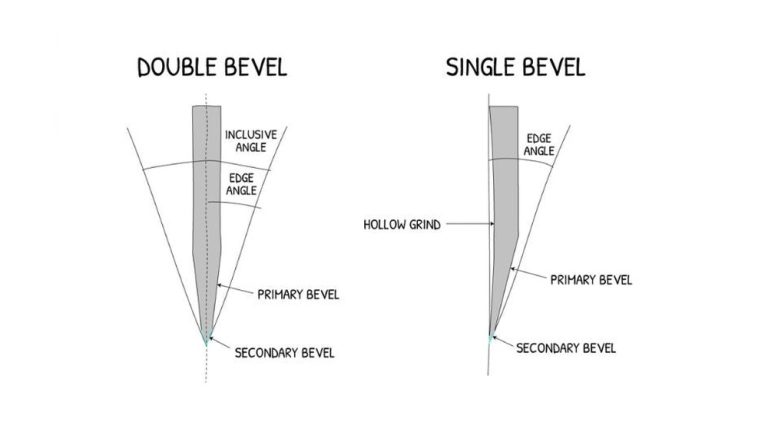
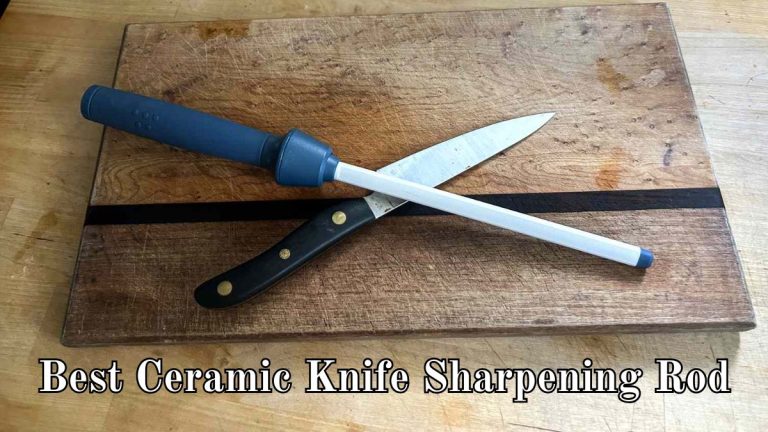
Use a whetstone or sharpening steel to sharpen blades. Hold the blade at a 20-degree angle against the stone. Move the blade gently in a circular or sweeping motion. Repeat on both sides until the edge feels sharp. Avoid electric sharpeners that can remove too much metal.
Cleaning Methods
Wash knives by hand with warm, soapy water. Avoid soaking them for long periods. Dry immediately with a soft cloth to prevent rust. Do not put knives in the dishwasher; it dulls the blade quickly. Use a mild cleaner to remove stains, not harsh chemicals.
Storage Suggestions
Store knives in a knife block or magnetic strip. Keep blades separated to avoid dulling and damage. Avoid tossing knives in drawers where edges can chip. Use blade guards for extra protection during storage or transport. Keep knives out of reach of children for safety.
:max_bytes(150000):strip_icc()/cleaverdifferencesillo-01-dc89fb098b2643bca47c4de1fcbfb607.jpg)
Credit: www.seriouseats.com
Expert Tips For Perfect Cuts
Getting the perfect cut from a meat cleaver or butcher knife needs skill and care. Using the right method makes your work easier and safer. Follow these expert tips to improve your cutting and save time.
Proper Cutting Techniques
Hold the knife firmly but not too tight. Let the weight of the cleaver do the work. Use a chopping motion for bones and thick meat. For thin slices, use smooth, steady cuts with the butcher knife. Always cut on a stable board to avoid slips. Keep the blade sharp for clean cuts and less force.
Safety Precautions
Keep your fingers away from the blade’s path. Use a claw grip to protect your fingertips. Wear cut-resistant gloves if possible. Clean and dry your tools before use to prevent slipping. Store knives properly after use to avoid accidents. Focus on your cutting task without distractions.
Maximizing Efficiency
Organize your workspace for easy access to tools. Cut meat into manageable pieces before using the cleaver. Use the butcher knife for trimming and fine work. Maintain your knives regularly to keep them sharp. Work at a steady pace to avoid mistakes. Clean as you go to keep the area safe and tidy.
Frequently Asked Questions
What Is The Main Difference Between A Meat Cleaver And Butcher Knife?
A meat cleaver is heavy and broad, ideal for chopping bones. A butcher knife is slimmer, perfect for slicing and trimming meat precisely.
Which Knife Is Better For Cutting Through Bones?
The meat cleaver is best for cutting bones due to its weight and thick blade. Butcher knives are not designed for bone cutting.
Can A Butcher Knife Replace A Meat Cleaver?
No, a butcher knife cannot replace a meat cleaver. Each tool serves different purposes in meat preparation.
How Do The Blade Shapes Differ Between Cleaver And Butcher Knife?
Meat cleavers have a rectangular, wide blade. Butcher knives feature a narrow, curved blade for detailed cutting.
Conclusion
Choosing between a meat cleaver and a butcher knife depends on your task. Cleavers cut through bones and tough meat quickly. Butcher knives handle slicing and trimming with precision. Both tools have unique strengths in the kitchen. Think about what you need to do before picking one.
Using the right knife makes cooking easier and safer. Keep your knives sharp and clean for best results. A good knife helps you prepare meals faster and with less effort. Simple tools, better cooking.