Choosing the right knife can change the way you cook, slice, and prepare your meals. When it comes to knives, you might have heard the terms “single bevel” and “double bevel,” but what do they really mean for you?
Understanding the difference can make a big impact on your cutting experience, helping you work faster, safer, and with more precision. If you want to know which knife fits your style and needs, keep reading. This guide will clear up the mystery and help you pick the perfect blade for your kitchen.

Credit: dreamofjapan.com
Single Bevel Knife Basics
Understanding single bevel knives is key for many kitchen tasks. These knives have a special blade shape. It helps with precise cutting and fine work. Their unique design sets them apart from double bevel knives.
Single bevel knives are common in Japanese cooking. They are perfect for slicing fish, vegetables, and delicate items. Knowing their basics helps you choose the right knife.
Blade Design And Angle
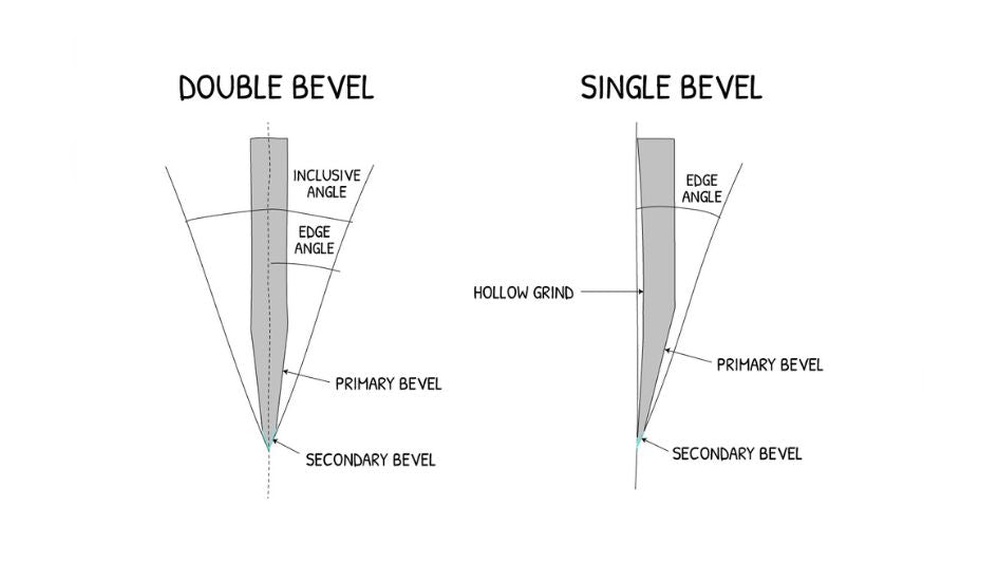
Single bevel knives have one flat side and one angled side. The angle usually ranges from 10 to 15 degrees. This sharp angle creates a very fine edge. It allows for clean and precise cuts. The flat side helps guide the cut straight through food.
Common Uses
These knives are often used for tasks needing accuracy. Sushi chefs use them to slice fish thinly. They also work well for cutting vegetables into fine pieces. Single bevel knives excel in tasks needing control and delicacy.
Advantages And Limitations
Single bevel knives offer very sharp and precise cutting. They are easier to sharpen on one side only. The flat side prevents food from sticking during slicing. On the downside, they require skill to use well. Cutting with these knives can bend the food. They are less versatile than double bevel knives.
Double Bevel Knife Features
The double bevel knife is a popular choice in many kitchens. Its design offers balance and precision. This type of knife has sharp edges on both sides of the blade. This feature makes it easy to use for various cutting tasks. Understanding its features helps in choosing the right knife for your needs.
Symmetrical Blade Structure
The blade of a double bevel knife is symmetrical. Both edges are sharpened evenly. This design allows for straight cuts on many foods. It also offers good control for left- and right-handed users. The symmetry helps keep the blade balanced in hand. This balance reduces effort during cutting.
Versatile Applications
Double bevel knives work well for many kitchen tasks. They can slice, dice, chop, and mince easily. This type is common in Western and Asian kitchens. Its shape suits vegetables, meats, and fish. The blade handles soft and hard foods well. Versatility makes it a useful tool for home cooks.
Pros And Cons
One advantage is ease of use for most people. The balanced blade helps with accuracy and speed. It suits both left- and right-handed users. On the downside, it may not be as sharp as single bevel knives. It can struggle with very precise cuts. Regular sharpening is needed to keep the edges sharp.
Sharpness Comparison
Sharpness plays a key role in choosing between single and double bevel knives. Both types offer unique benefits in how sharp they stay and cut through materials. Understanding these differences helps pick the right knife for your needs.
Edge Retention
Single bevel knives have one angled edge, which makes them sharper initially. They keep their edge longer because the angle is more acute. Double bevel knives have two edges, balanced but less sharp at first. They lose sharpness faster due to the wider angle. For tasks requiring long-lasting sharpness, single bevel edges often perform better.
Cutting Performance
Single bevel knives excel at precise, clean cuts. They work well for slicing fish or vegetables thinly. Double bevel knives cut smoothly in both directions, making them versatile. They handle tougher foods better but may not slice as finely. The cutting style depends on your cooking needs and preferences.
Maintenance Requirements
Single bevel knives need careful sharpening to maintain their angle. It requires skill or special tools to sharpen only one side. Double bevel knives are easier to sharpen because both sides are symmetrical. They require less frequent touch-ups. Choose a knife that fits your comfort with maintenance.

Credit: hasuseizo.com
Precision In Cutting
Precision in cutting plays a big role in choosing the right knife. It affects the quality of your work and your comfort. Single bevel and double bevel knives offer different levels of control and accuracy. Understanding these differences helps in picking the best knife for your needs.
Control And Accuracy
Single bevel knives have one sharp edge. This design allows very fine and precise cuts. They guide the blade along a straight line easily. Double bevel knives have two sharp edges. They offer balanced control for both left and right hand users. Double bevel knives are good for general cutting tasks.
Suitable Tasks For Each Type
Single bevel knives excel at delicate work. They are perfect for slicing fish and making thin cuts. Sushi chefs often use single bevel knives for this reason. Double bevel knives work well for chopping vegetables and cutting meat. They handle a variety of kitchen tasks without losing sharpness quickly.
Skill Level Impact
Single bevel knives need more skill to use well. Their sharp edge requires careful handling to avoid mistakes. Double bevel knives are easier for beginners. They provide more forgiveness in cutting angles. Choosing the right bevel depends on your experience and comfort level.
Choosing The Right Knife
Choosing the right knife is important for any kitchen task. The right knife makes cutting easier and safer. It helps you prepare food faster and with less effort. Single bevel and double bevel knives have different uses and features. Knowing what fits your needs helps you pick the best option.
Personal Preferences
Your cutting style matters. Single bevel knives have one sharp side. They are great for precise cuts and delicate work. Double bevel knives have two sharp sides. They work well for general use and tougher foods. Think about what feels comfortable in your hand. Choose the knife that matches your cooking habits.
Budget Considerations
Knives come in many price ranges. Single bevel knives can be more expensive due to their specialized design. Double bevel knives often cost less and offer good value. Set a budget before buying. Balance cost with what you need from the knife. Spend wisely for a tool that lasts long.
Material And Craftsmanship
The knife’s material affects its sharpness and durability. High-quality steel holds an edge longer. Single bevel knives often use harder steel for fine cutting. Double bevel knives use steel suited for strength and versatility. Check how the knife is made. Good craftsmanship means better performance and safety.
Care And Sharpening Tips
Proper care and sharpening keep your knife sharp and safe. Both single and double bevel knives need attention. Good maintenance extends their life and performance.
Sharpening Techniques For Single Bevel
Single bevel knives have one flat side and one angled side. Sharpen the angled side with a whetstone. Use gentle, consistent strokes. Keep the flat side flat on the stone. Avoid grinding the flat side too much. Test sharpness by slicing paper or vegetables.
Sharpening Techniques For Double Bevel
Double bevel knives have two angled sides. Sharpen each side equally on a whetstone. Use smooth, even strokes at the correct angle. Usually, a 15 to 20-degree angle works well. Switch sides often to keep the edge balanced. Check sharpness regularly during sharpening.
Storage And Longevity
Store knives in a block, magnetic strip, or sheath. Avoid tossing them in drawers. Clean and dry knives immediately after use. Do not use harsh detergents or soak knives. Regularly oil carbon steel blades to prevent rust. Proper storage prevents damage and keeps knives sharp longer.

Credit: www.echefknife.com
Frequently Asked Questions
What Is The Difference Between Single And Double Bevel Knives?
Single bevel knives have one sharpened side, ideal for precise cuts. Double bevel knives are sharpened on both sides, offering versatility and easier handling.
Which Knife Is Better For Professional Chefs?
Professional chefs often prefer single bevel knives for precise slicing. Double bevel knives suit general kitchen tasks and beginner cooks due to their ease of use.
Are Single Bevel Knives Harder To Sharpen Than Double Bevel?
Yes, single bevel knives require more skill to sharpen due to their angled edge. Double bevel knives are easier to sharpen with standard techniques.
Can Double Bevel Knives Cut As Precisely As Single Bevel?
Double bevel knives provide good precision but usually less than single bevel knives. Single bevel edges allow for cleaner, more accurate slicing, especially in delicate tasks.
Conclusion
Choosing between single and double bevel knives depends on your needs. Single bevel knives offer precise cuts and are great for specific tasks. Double bevel knives provide versatility and work well for general use. Both types have strengths that suit different users.
Think about what you cut most often. Your choice will affect your cooking experience. Use the knife that feels right and fits your style. Good knives make food prep easier and more enjoyable.