When it comes to kitchen knives, choosing the right one can make all the difference in your cooking experience. You might wonder, should you reach for a utility knife or a paring knife for your next task?
Both are essential, but knowing when and why to use each can save you time and effort. You’ll discover the key differences between these two knives and learn how to pick the perfect tool for every cut. Keep reading—you’ll soon feel more confident and efficient in your kitchen!
Blade Design And Shape
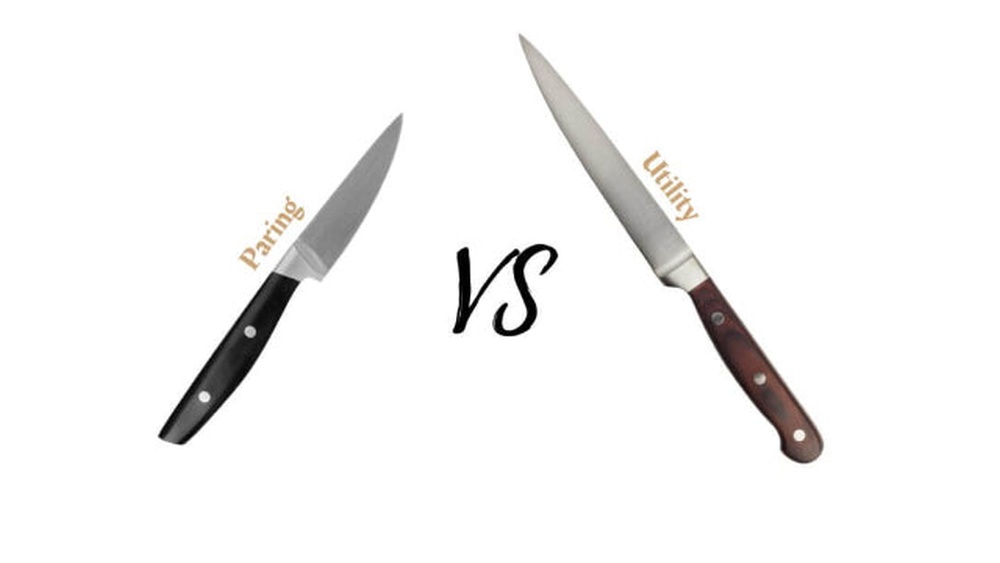
The blade design and shape are key differences between a utility knife and a paring knife. Each blade suits specific tasks in the kitchen. Understanding these differences helps you choose the right knife for your needs.
Utility Knife Features
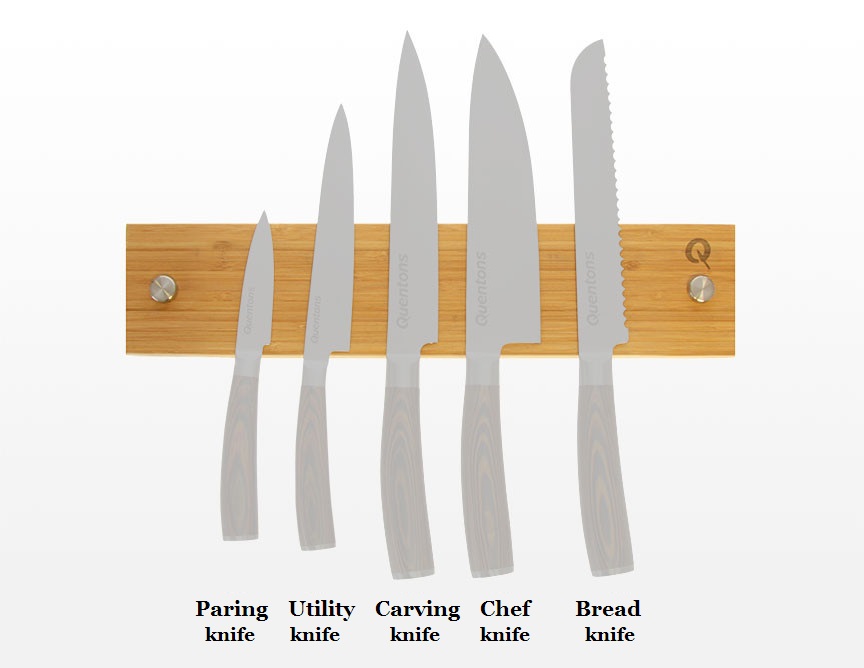
The utility knife has a longer blade, usually 4 to 7 inches. It is narrow and straight, with a pointed tip. This shape makes it good for slicing and cutting medium-sized foods. The blade is sturdy but flexible enough for various tasks. It works well on fruits, vegetables, and small cuts of meat.
Paring Knife Features
The paring knife has a short blade, about 2 to 4 inches long. Its blade is small and sharp with a curved edge. This design allows for precise cuts and control. It is perfect for peeling, trimming, and detailed work. The blade’s shape helps handle small fruits and vegetables easily.
Credit: finoak.com
Common Uses In The Kitchen
Understanding the common uses of utility and paring knives helps in choosing the right tool for kitchen tasks. Both knives serve unique purposes. Each knife handles specific jobs better, making food preparation easier and safer.
Tasks Suited For Utility Knives
Utility knives work well for medium-sized cutting jobs. They slice sandwiches, cut small fruits, and chop vegetables. These knives handle meats and cheeses with ease. Their sharp blades also trim fat and cut herbs. Utility knives offer more control than large chef knives.
Tasks Suited For Paring Knives
Paring knives excel at delicate, detailed work. They peel fruits and vegetables cleanly. These knives trim small parts and remove seeds. Paring knives help with intricate cuts, like decorating or garnishing. Their small size fits well in tight spaces.
Blade Size And Handling
Blade size and handling play a big role in choosing the right knife. These factors affect how you cut and how much control you have. Utility knives and paring knives have clear differences in blade size and grip. Understanding these helps you pick the best knife for your tasks.
Comparing Blade Lengths
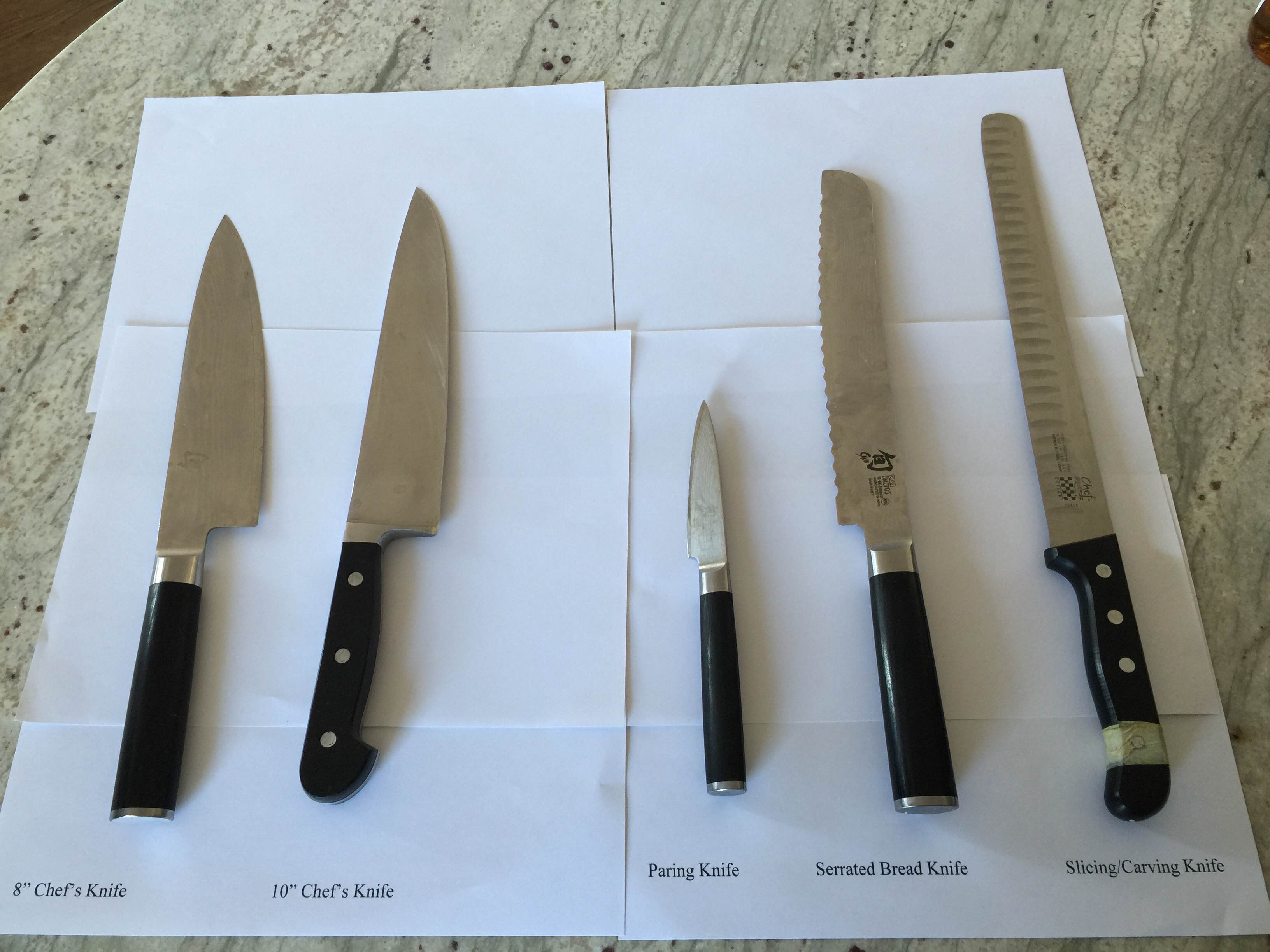
Utility knives usually have blades between 4 and 7 inches long. This length suits cutting larger foods like vegetables and small meats. Paring knives have shorter blades, often 2 to 4 inches. They work well for detailed jobs like peeling and trimming.
The longer blade of a utility knife covers more surface. It lets you slice quickly through bigger items. The short paring knife blade offers better control for fine cuts. Each blade size fits different kitchen needs.
Ergonomics And Grip
Utility knives often have thicker, heavier handles. These provide a firm grip for harder cutting tasks. Paring knives have lighter, smaller handles. They allow precise movements without tiring your hand.
Both knives aim to fit comfortably in your hand. The utility knife handle supports a strong hold. The paring knife handle encourages delicate, careful handling. Good ergonomics improve safety and cutting ease.
Credit: www.thechoppingblock.com
Material And Durability
Material and durability play a major role in choosing between a utility knife and a paring knife. Both knives need to be strong and long-lasting. The quality of the blade and handle affects how well the knife performs. It also impacts how comfortable and safe the knife feels in hand. Understanding these materials helps you pick the best knife for daily kitchen tasks.
Blade Steel Types
Blade steel determines sharpness and how long the edge lasts. Common types include stainless steel and carbon steel. Stainless steel resists rust and needs less care. Carbon steel is sharper but can rust if wet. High-carbon stainless steel blends both qualities. Utility knives often use thicker steel for strength. Paring knives use thinner steel for precision cutting. Good steel keeps knives sharp and tough over time.
Handle Materials
Handle materials affect grip and comfort during use. Wood handles look nice and feel warm but may need more care. Plastic handles resist water and are easy to clean. Rubber handles offer a soft, non-slip grip. Metal handles are very durable but can feel cold or slippery. Utility knives usually have sturdy handles for heavy use. Paring knives often have smaller, lighter handles for control. Strong, comfortable handles help prevent accidents and fatigue.
Sharpening And Maintenance
Keeping your utility and paring knives sharp and well-maintained improves their performance. Sharp knives make cutting safer and easier. Regular care extends the life of your blades. Understanding the right sharpening and maintenance steps is key.
Sharpening Techniques
Use a whetstone for the best sharpening results. Hold the knife at a 20-degree angle. Move the blade across the stone in smooth strokes. Repeat this on both sides for even sharpness. For quick touch-ups, use a honing rod. Avoid electric sharpeners as they can damage the blade. Check sharpness by slicing through paper or tomatoes.
Care Tips For Longevity
Hand wash knives with warm, soapy water. Dry them immediately to prevent rust. Store knives in a wooden block or magnetic strip. Avoid putting knives in the dishwasher. Use cutting boards made of wood or plastic. Regularly inspect knives for chips or dull spots. Keep knives away from hard surfaces like glass or stone.
Price And Value
Price and value are important when choosing between a utility knife and a paring knife. Both knives serve different purposes, which affects their cost. Understanding these differences helps you pick the right knife for your kitchen and budget.
Cost Differences
Utility knives usually cost more than paring knives. They have larger blades and require stronger materials. Paring knives are smaller and simpler. This makes them cheaper to produce. Prices also vary by brand and blade quality.
Investment Worthiness
Spending more on a utility knife can be worth it. They last longer and handle more tasks. Paring knives are ideal for small, precise jobs. Buying a good paring knife saves money over time. Both knives add value based on your cooking needs.
Choosing Based On Cooking Style
Choosing between a utility knife and a paring knife depends on your cooking style. Each knife suits different tasks and users. Knowing which fits your needs can improve your kitchen work.
Consider how you cook daily. Simple meal prep or detailed cutting? This affects your knife choice. Both knives have unique strengths. Understanding these helps you pick the right one.
For Home Cooks
Home cooks benefit from a utility knife for many tasks. It handles slicing vegetables and cutting sandwiches well. The blade is longer and stronger than a paring knife. This makes it easier to work with bigger foods.
Paring knives are handy for small jobs like peeling fruits and trimming. They are light and easy to control. For quick tasks, a paring knife is a good choice. Many home cooks find having both knives useful.
For Professional Chefs
Professional chefs choose knives based on precision and speed. A paring knife excels at detailed work like garnishing and fine peeling. Its small size allows sharp, precise cuts.
Utility knives serve chefs well for tasks needing more power. They slice meat and chop vegetables quickly. Chefs often use a utility knife for general prep. Both knives are essential in a professional kitchen.

Credit: sharpedgeshop.com
Frequently Asked Questions
What Is The Main Difference Between Utility And Paring Knives?
Utility knives are medium-sized and versatile for slicing and chopping. Paring knives are smaller, designed for peeling and intricate tasks.
When Should I Use A Utility Knife Instead Of A Paring Knife?
Use a utility knife for cutting sandwiches, fruits, and vegetables. Choose a paring knife for peeling, trimming, and detailed work.
Can A Paring Knife Replace A Utility Knife In The Kitchen?
A paring knife cannot fully replace a utility knife. Utility knives handle larger tasks and tougher ingredients better.
Which Knife Is Better For Peeling Fruits: Paring Or Utility?
Paring knives are better for peeling fruits due to their small, precise blades. Utility knives are less maneuverable for peeling.
Conclusion
Choosing between a utility knife and a paring knife depends on your needs. Utility knives handle bigger tasks well. Paring knives work best for small, detailed cuts. Both knives have their place in the kitchen. Having both can make cooking easier and faster.
Remember, the right knife helps you prepare food safely. Use each knife for its strength. This way, your meals turn out better every time.