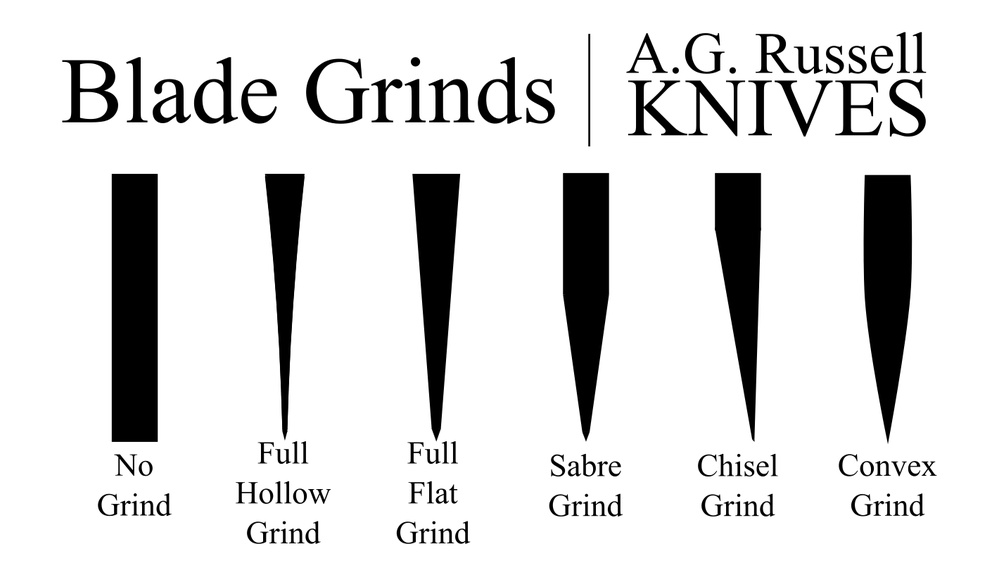
When it comes to choosing the right knife, you might wonder what makes a hollow edge knife different from a regular one. Which one fits your needs better?
Whether you’re slicing vegetables, preparing meat, or working on detailed tasks, the edge type can change everything. Understanding these differences will help you make smarter choices and get better results every time you use your knife. Keep reading to discover what sets hollow edge knives apart from regular knives—and find out which one is perfect for you.
Hollow Edge Knife Features
The hollow edge knife has unique features that set it apart from regular knives. It is designed to offer smooth and precise cuts. Understanding these features helps to know why many chefs prefer hollow edge knives in kitchens.
The blade design, cutting performance, and common uses all play important roles in its popularity.
Blade Design And Shape
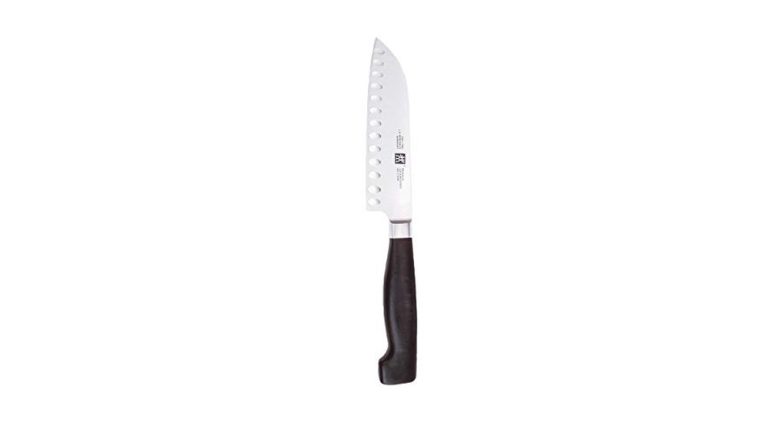
The hollow edge knife has small, curved indentations along the blade. These hollow grooves reduce friction when cutting. This design helps food slide off the blade easily. The shape is usually thin and sharp, perfect for detailed work. This blade style differs from the flat, smooth blade of regular knives.
Cutting Performance
The hollow edge knife cuts smoothly and cleanly. The air pockets in the blade stop food from sticking. This makes slicing faster and more efficient. It works well for delicate and thin cuts. The blade can glide through vegetables, fruits, and meats without tearing them.
Common Uses And Applications
Chefs use hollow edge knives for slicing, dicing, and chopping. It is great for cutting sticky or wet foods. Common in kitchens for cutting cucumbers, tomatoes, and cheese. It also helps in cutting thin slices of meat or fish. This knife is a good choice for everyday cooking tasks.

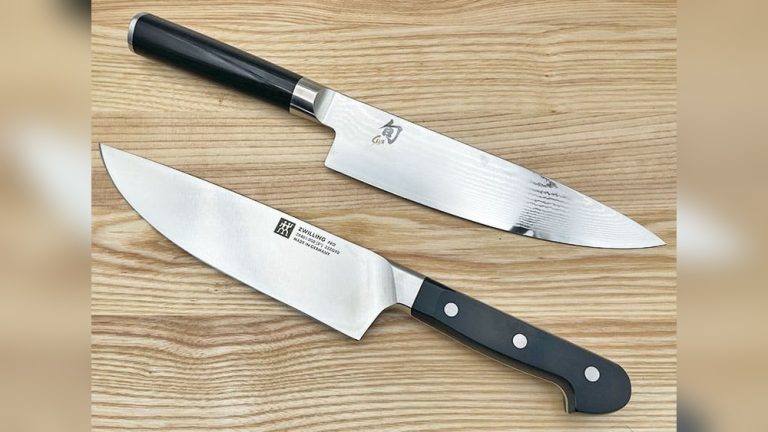
Credit: www.mychefknives.co.uk
Regular Knife Features
Regular knives have been a staple in kitchens for many years. They offer reliable performance and simple design. These knives suit many everyday tasks. Their features focus on durability and ease of use. Understanding their traits helps you choose the right knife for your needs.
Blade Design And Shape
Regular knives often have a straight, smooth blade. The blade is usually thick and strong. This design helps with control and stability. The shape is simple, with a pointed tip for precision. The blade edge is continuous without any holes or indentations.
Cutting Performance
These knives cut through food with steady force. The smooth blade allows clean and even slices. They work well on soft and hard foods alike. The blade stays sharp longer with proper care. They are easy to sharpen using standard tools.
Common Uses And Applications
Regular knives are great for chopping, slicing, and dicing. They handle vegetables, fruits, and meats with ease. Many cooks use them for daily meal prep. These knives suit both home kitchens and professional settings. Their versatility makes them a popular choice.
Sharpness Comparison
Sharpness is a key factor when choosing between hollow edge and regular knives. It affects how well the knife cuts and how comfortable it is to use. Understanding the differences helps in picking the right knife for your needs.
Initial Sharpness
Hollow edge knives often come with a sharper initial edge. Their design creates thinner, finer blades. This makes slicing through food easier and smoother. Regular knives have a thicker edge. They may not feel as sharp at first but still cut well.
Edge Retention
Regular knives usually keep their sharpness longer. Their thicker edge resists dulling better. Hollow edge knives lose sharpness faster due to thin edges. They need more frequent sharpening to stay effective. This affects how often you maintain your knife.
Ease Of Sharpening
Regular knives are easier to sharpen for most users. Their wider edge gives more space to work on. Hollow edge knives require careful sharpening. The thin edge can be tricky to maintain. It needs precision to avoid damage.
Advantages Of Hollow Edge Knives
Hollow edge knives have unique features that make them stand out. These knives have small air pockets or indentations along the blade. These pockets reduce the surface contact between the knife and the food. This design brings several benefits for cooking and food preparation.
Reduced Food Sticking
The hollow edge helps food release easily from the blade. Food pieces do not stick as much during cutting. This reduces the need to stop and clean the knife often. It saves time and keeps the cooking process smooth. The knife glides through food without dragging or pulling.
Improved Slicing Efficiency
The hollow edge creates less friction while cutting. This means the knife moves faster through ingredients. Thin slices are easier to achieve with less effort. The blade stays sharper longer because it faces less resistance. This efficiency is useful for delicate foods like fish and vegetables.
Advantages Of Regular Knives
Regular knives have many advantages that make them a popular choice in kitchens. They offer solid performance for daily cutting tasks. Their design suits many types of food preparation. Regular knives can handle tougher jobs without damage. This makes them reliable tools for home cooks and professionals alike.
These knives often last longer because of their simple structure. They provide consistent cutting power. Regular knives also work well with different food textures. This flexibility adds value to their use in the kitchen.
Durability And Strength
Regular knives have full, solid blades without hollow spaces. This design gives them extra strength. They resist chipping and breaking better than hollow edge knives. Regular knives can endure heavy chopping and cutting of hard foods. Their sturdy build means they need less frequent replacement. Strong blades hold their shape even after long use.
Versatility In Cutting Tasks
Regular knives perform well on many types of food. They cut through meat, vegetables, and fruits with ease. Their straight edges allow for smooth slicing and dicing. These knives suit both delicate and tough cutting jobs. Chefs value their ability to handle varied kitchen tasks. Using one knife for many purposes saves space and cost.
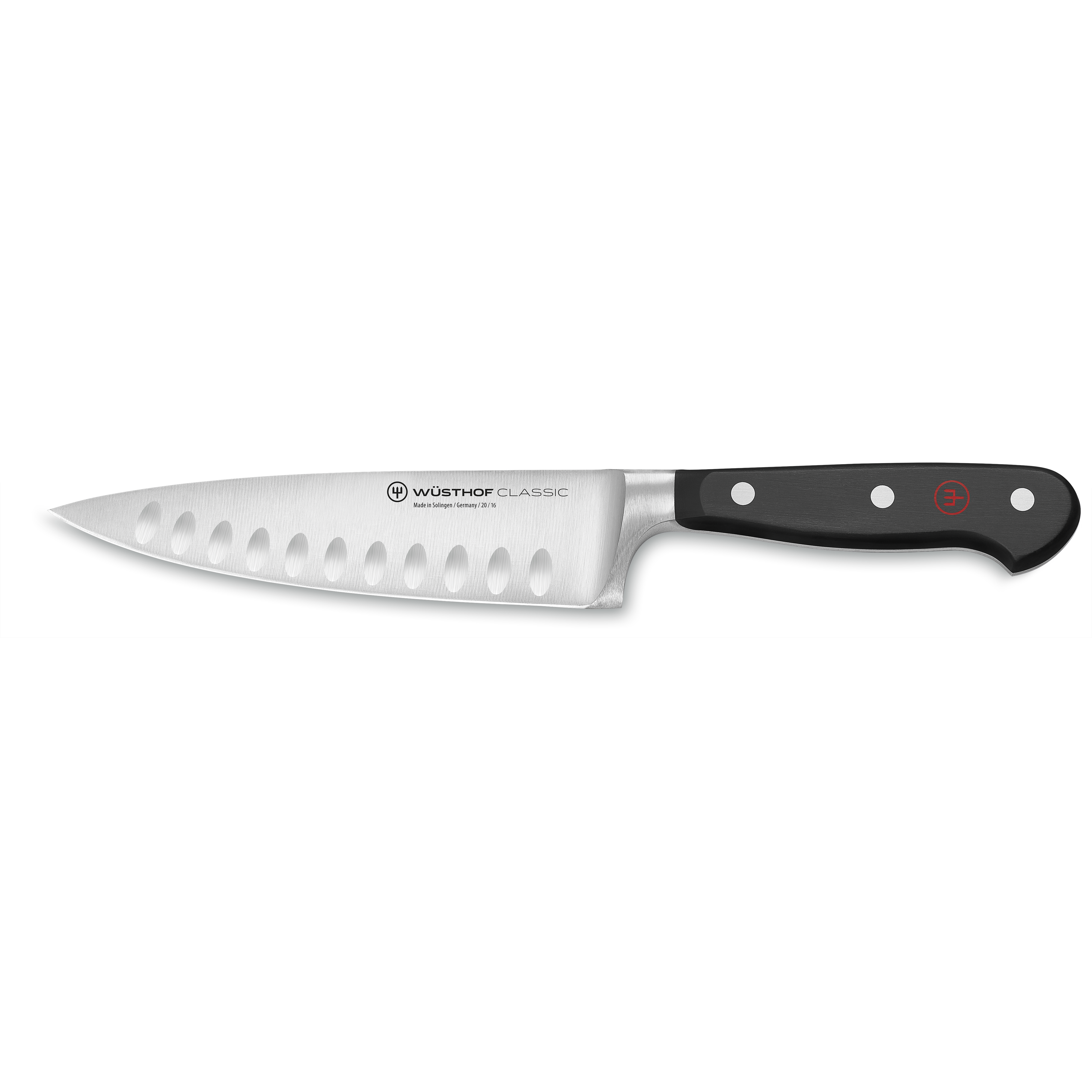
Credit: wusthof.com
Choosing The Right Knife
Choosing the right knife is important for your kitchen tasks. The right knife helps you cut food faster and safer. It also makes cooking more enjoyable. Hollow edge and regular knives have different uses. Knowing which one fits your needs saves time and effort.
Think about how you cook and what you cut most often. This helps you pick the best knife for your style.
Based On Cooking Style
Hollow edge knives work well for slicing thin pieces. They stop food from sticking to the blade. This is good for cutting vegetables and fish. Regular knives are stronger and better for chopping. Use them for tougher foods like meat or hard vegetables. Choose a knife that fits the tasks you do most.
Based On Maintenance Preferences
Hollow edge knives need careful cleaning. Food can get stuck in the small hollows. Regular knives are easier to clean and keep sharp. They do not need special care. Pick a knife that matches how much time you spend on maintenance. Easy care knives suit busy cooks better.
Budget Considerations
Regular knives usually cost less than hollow edge knives. Hollow edge knives have a special design, so they are pricier. Think about how often you cook before buying. A more expensive knife pays off if you cook a lot. For occasional use, a regular knife works fine. Set a budget and choose the best knife within it.
Care And Maintenance Tips
Proper care and maintenance help keep both hollow edge and regular knives sharp and safe. Good habits extend their life and improve performance. Regular cleaning and correct sharpening protect the blade and handle. Follow simple steps to maintain your knives well.
Sharpening Techniques
Hollow edge knives need gentle sharpening. Use a fine whetstone or ceramic rod. Keep the angle steady, around 15 degrees. Avoid heavy pressure that can damage the hollow grooves. Regular knives can handle more pressure. Sharpen them with a whetstone or sharpening steel. Maintain a consistent angle, usually 20 degrees. Sharpen both sides evenly for a balanced edge. Test sharpness by slicing paper or a tomato skin.
Cleaning And Storage
Wash knives by hand with warm, soapy water. Avoid dishwashers, as they dull blades. Dry knives immediately to prevent rust. Store knives in a block or magnetic strip. Keep blades separate to avoid damage. Do not store knives loose in drawers. Use blade guards if carrying knives in bags. Clean and store knives properly to keep them safe and sharp.

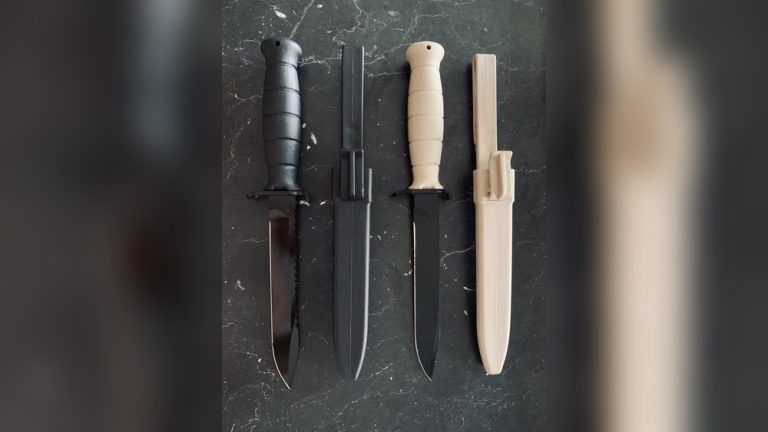
Credit: www.kitchenknifeguru.com
Frequently Asked Questions
What Is A Hollow Edge Knife?
A hollow edge knife has small indentations along the blade. These create air pockets, reducing friction. This design helps in easy slicing and prevents food from sticking to the blade.
How Does A Regular Knife Differ From Hollow Edge?
A regular knife has a smooth, continuous blade without indentations. It offers more strength and durability. However, it may cause food to stick more during cutting compared to hollow edge knives.
Which Knife Is Best For Slicing Vegetables?
Hollow edge knives are ideal for slicing vegetables. Their design prevents sticking and allows cleaner cuts. Regular knives work well but may slow down slicing due to food sticking.
Are Hollow Edge Knives Harder To Sharpen?
Hollow edge knives can be slightly trickier to sharpen. The indentations require careful attention to maintain blade consistency. Regular knives are generally easier and quicker to sharpen.
Conclusion
Choosing between a hollow edge and a regular knife depends on your needs. Hollow edges offer cleaner cuts and less sticking. Regular knives are stronger and easier to sharpen. Both have clear strengths for different tasks. Think about what you cut most often.
A good knife suits your daily use best. Keep your blade sharp for safe, smooth cutting. This helps your knife last longer and work better. Choose wisely to enjoy your kitchen work more.